Technical Whitepaper: Assessing Single Selective Racking Systems
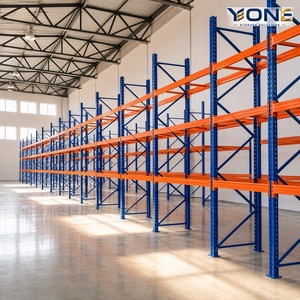
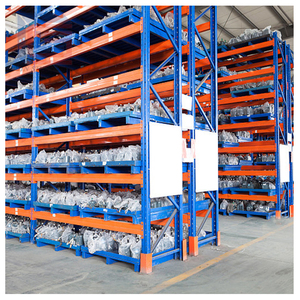
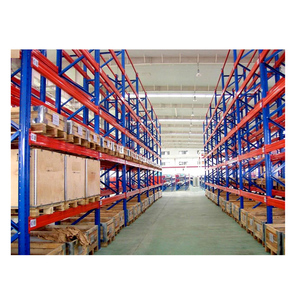
Single selective racking represents the backbone of modern intralogistics infrastructure. Accounting for over 70% of worldwide warehouse storage deployments, its defining characteristic is unhindered 100% selectivity across all pallet positions. For logistics executives, distribution planners, and fulfillment center designers, choosing the right manufacturer involves looking past basic pricing and understanding cross-sectional roll-forming tolerances, certified tensile steel yields, and dynamic floor-load distribution physics.
Core Procurement Metric: Evaluating pallet racking strictly on cost-per-tonnage creates severe structural risks. Enterprise buyers must prioritize cold-formed upright geometry, beam connection locking resistance, deflection limits (typically 1/180th of clear span under standard RMI provisions), and high-grade anti-corrosive electrostatic powder coatings.
Modern distribution facilities demand that pallet racks serve as structural foundations capable of handling cyclic impact stresses and constant forklift loading. Modern roll-forming technologies shape Q235B and high-strength Q355B structural steel into complex multi-bend uprights. This multi-bend engineering increases moment-of-inertia ratings and enhances resistance against lateral torsional buckling under extreme live loads.
Comparative Analysis: The World's Top 10 Single Selective Racking Suppliers
The global selective racking supplier ecosystem includes established Western original equipment manufacturers (OEMs) and high-volume, precision Asian manufacturing powerhouses. The matrix below benchmarks the top 10 manufacturing brands based on manufacturing capacity, North American seismic compliance, steel grade utilization, and average custom delivery cycles:
| Manufacturer / Brand | Origin | Primary Steel Grades | Seismic & Safety Compliance | Production Lead Time |
|---|---|---|---|---|
| HEDA Shelves | Guangzhou, China | Certified Q235B / Q355B Steel | ISO 9001:2015, CE, PE Stamped Drawing Support | 15–25 Business Days |
| Interlake Mecalux | USA / Spain | Structural / Cold Rolled Steel | RMI, ANSI MH16.1, ISO Certified | 6–10 Weeks |
| SSI Schaefer | Germany | European Standard S235 / S355 | FEM 10.2.02, EN 15512 Compliance | 8–12 Weeks |
| Ridg-U-Rak | USA | High-Tensile US Commercial Steel | RMI Certified, High Seismic Ratings | 6–8 Weeks |
| Dexion (Gonvarri Material Handling) | Europe | High-Yield Cold Formed Steel | EN 15620, FEM Standards | 7–10 Weeks |
| Steel King Industries | USA | Heavy Duty Tubular / Structural | RMI, Seismically Qualified | 8–11 Weeks |
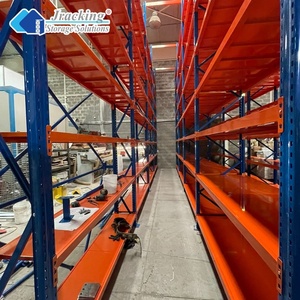
| Jracking Group | China / Vietnam | Q235B / Hot-Rolled Coils | AS4084, CE, ISO Standards | 3–5 Weeks |
| Frazier Industrial Company | USA | 100% Structural Steel Channel | AISC, RMI Heavy-Duty Impact Certified | 9–14 Weeks |
| Mecalux International | Global Networks | European Quality Strip Steel | ISO 14001, CE, ANSI | 6–10 Weeks |
| Stow Group | Belgium | High Yield S-Grade Steels | FEM Guidelines, Eurocodes | 7–9 Weeks |
Technical Evaluation: Cold-Formed Teardrop vs. Structural Bolt-Together Configurations
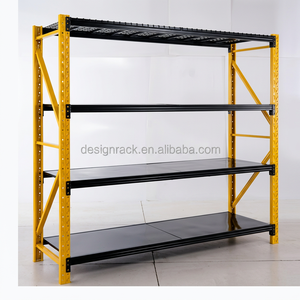
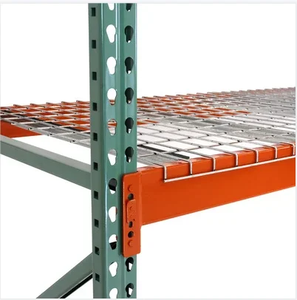
Warehouse operations typically fall into two structural racking camps: cold-formed roll-formed teardrop racking or structural channel steel systems. Teardrop punching continues to dominate North American standard warehouses due to its universal cross-brand compatibility, tool-less pin-locking installation, and modular vertical reconfigurability on 2-inch increments. However, high-throughput manufacturing plants, harsh chemical depots, and heavy equipment sites frequently choose heavy structural channels. These are hot-rolled and bolted together at column-to-beam junctions to deliver higher structural impact resistance against heavy forklift collisions.
Cold Storage Durability
Specially formulated low-temperature powder coatings and cryo-rated structural steels prevent brittle fractures in industrial freezers down to -30°C.
Seismic Baseplate Optimization
Engineered, oversized anchor base plates distribute static and seismic uplifting moments into the concrete slab, complying with IBC seismic zone standards.
Automated Quality Finishing
Multi-stage pickling, iron-phosphate dipping, and multi-axis automated electrostatic curing ovens provide salt-spray rust protection exceeding 500 hours.
Emerging Procurement Trends in Industrial Racking for 2026 and Beyond
The single selective racking landscape is undergoing rapid technological evolution driven by changing supply chains, real estate costs, and labor automation. Buyers must factor the following macro-trends into their purchasing plans:
1. Shifting Toward Narrow-Aisle (VNA) Selective Densification: Soaring commercial real estate costs mean warehouses must capture vertical clear height. Standard 12-foot counterbalanced forklift aisles are increasingly replaced with 6-foot Very Narrow Aisle (VNA) selective configurations paired with wire-guided or rail-guided turret trucks. This shift delivers 100% pallet selectivity while boosting cubic storage density by 35% without changing the building footprint.
2. Direct Integration with Autonomous Mobile Robots (AMRs): Modern selective rack installations now feature custom engineering on bottom pallet levels. Base apertures are redesigned to clear automated pallet jacks, AMR straddle carriers, and automated guided vehicles (AGVs). This layout lets automated robotic fleets handle horizontal dock-to-rack transit while human operators focus entirely on vertical put-away.
3. Steel Traceability and Embodied Carbon Disclosures: Global supply chains increasingly audit the environmental lifecycle footprint of logistics facilities. Procurement teams now require supplier Material Test Reports (MTRs) tracing structural steel coils back to primary mills, along with third-party testing validating post-consumer recycled steel content.
The Single Selective Racking Engineering Roadmap
A successful selective racking buildout requires strict adherence to linear engineering steps. Shortcuts during the early planning and design stages can lead to costly floor-slab remediation or structural permits failing inspection:
Step A: Floor Slab Geotechnical and Dynamic Capacity Audit: Racking upright loads translate directly into concentrated point loads on concrete floor slabs. Before finalizing beam lengths and bay heights, warehouse engineers must confirm slab thickness (typically 6" to 8" unreinforced or fiber-reinforced slabs), concrete compressive strength (minimum 3,000–4,000 PSI), and subgrade soil support characteristics.
Step B: Forklift Ergonomics and Turning Radius Calculation: The turning radius of counterbalanced forklifts, reach trucks, or articulated mast units sets minimum aisle spacing. Clear margins must be calculated: standard clear bay clearance requires a minimum 3" to 4" buffer between the pallet edge and upright frame, along with a 4" to 6" longitudinal flue space between back-to-back rack runs to ensure local fire safety and NFPA sprinkler code compliance.
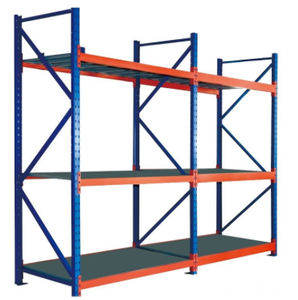
Step C: Upright Frame and Box-Beam Sectional Selection: Depending on load distribution, engineers select step beams or structural box beams fitted with drop-in safety pins. Welded step beams allow drop-in wire mesh decks, pallet supports, or specialized timber boards. Upright depths are set based on pallet dimensions—such as standard 48" deep frames supporting common 48"x40" GMA pallets with a 3" overhang front and rear.
Direct Factory Engineering & Global Export Services
Over two decades of precision manufacturing deliver cost-optimized storage solutions to distribution hubs, logistics providers, and supply chains worldwide.
Free 24-Hour CAD & 3D Engineering
Send your warehouse dimensions, clear height, and forklift models. Our structural engineers provide optimized CAD layouts and 3D architectural renders within 24 hours.
Container-Optimized Ocean Logistics
Racks are nested and bundled with protective steel banding and wrap to maximize shipping container space, reducing per-pallet-position ocean freight costs into North American and European ports.
ISO 9001:2015 & CE Quality System
Manufacturing adheres to international quality checks: steel coil tensile analysis, automated weld inspection, dimensional punch checks, and coating thickness verification on every production run.
Imperial & Metric Engineering Dual Capability
Our engineering team issues structural load calculations and assembly prints in both imperial units (pounds, inches, feet) and metric standards for smooth permitting review by your local engineer of record.
Frequently Asked Questions on Pallet Racking Procurement
Key technical, engineering, and logistics considerations for global warehouse racking acquisitions.
How do you verify seismic compliance and structural load calculations for North American facilities?
What is the standard beam deflection limit permitted under industrial storage standards?
What are the critical container packaging practices to prevent transit damage during ocean freight?
How does Single Selective Racking compare to Double Deep Racking in storage economics?
What minimum concrete slab specifications are required before anchoring upright frames?
Accelerate Your Warehouse Engineering Layout
Send our engineering team your building dimensions, pallet specifications, and forklift parameters. We will return an itemized quote, CAD plan, and load capacity table within 24 hours.
Contact Us