Unlocking Warehouse Cubic Efficiency Through Drive-In Engineering
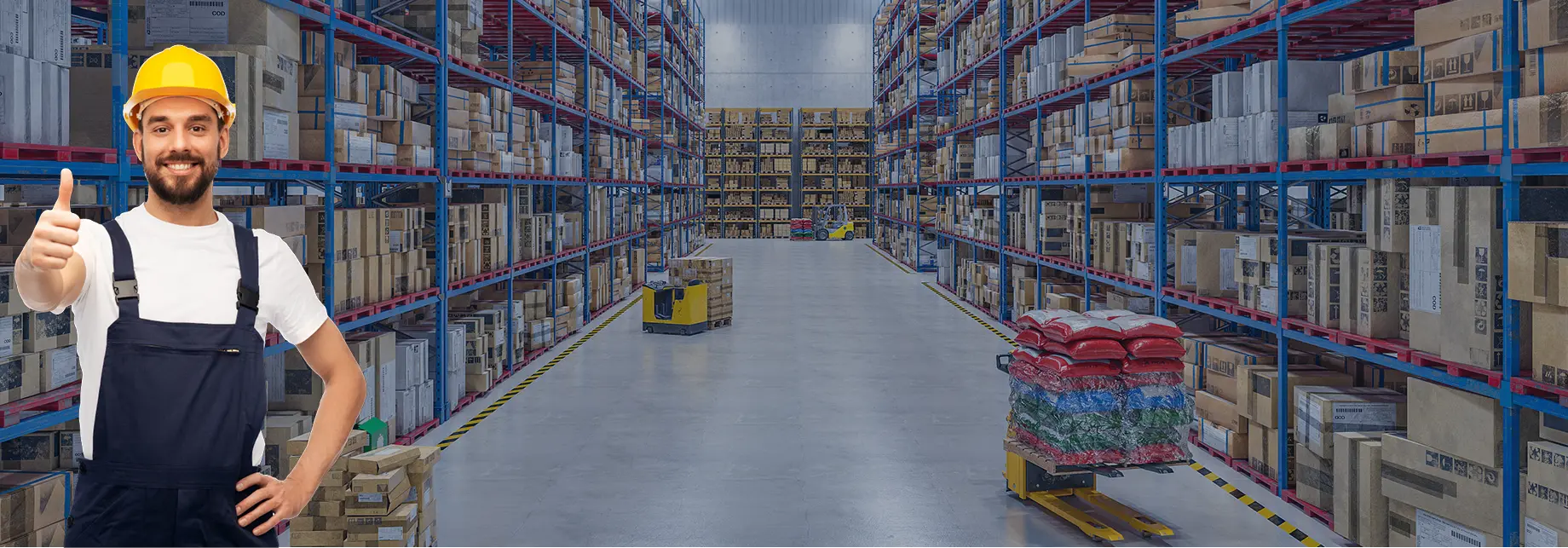
Industrial warehousing is undergoing a profound structural shift. With commercial industrial real estate costs soaring globally, supply chain directors and facility planners can no longer afford the space waste inherent in standard selective layouts where operating aisles consume 60% or more of total floor space. A Drive-In Racking System is the premier high-density, low-complexity storage configuration engineered specifically for homogeneous, palletized inventory with moderate to low SKU turnover.
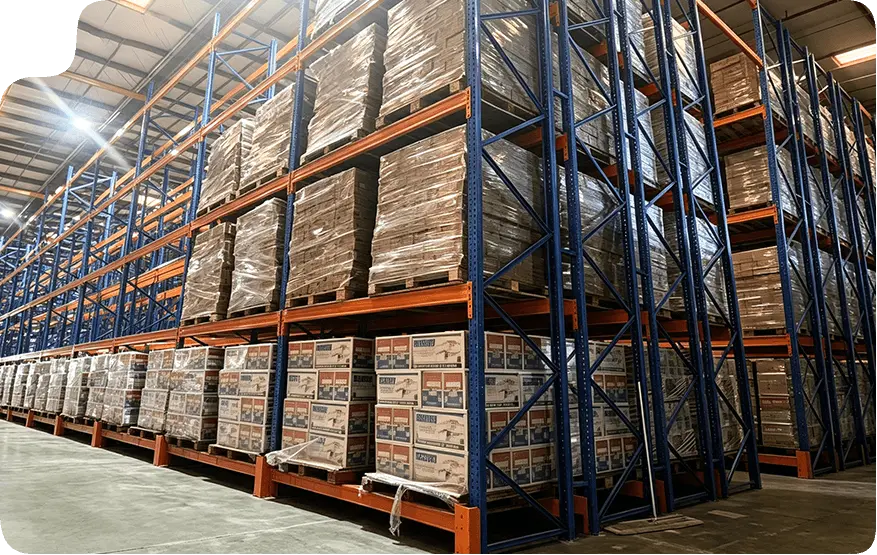
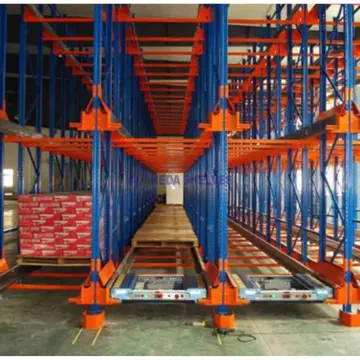
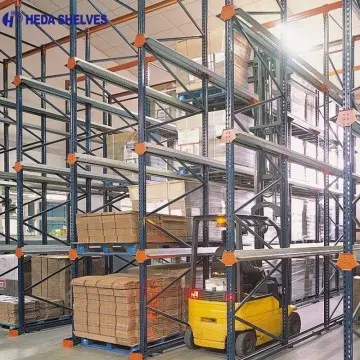
By eliminating individual forklift access aisles and allowing counterbalanced or reach trucks to enter the storage matrix itself along structural guide rails, drive-in pallet racking increases storage capacity by up to 75%–80% within identical building dimensions. At Guangzhou Heda Shelves Co., Ltd., we combine over 25 years of cold-rolled structural steel manufacturing expertise with international seismic and safety engineering standards. Our drive-in systems feature heavy continuous pallet support rails, structural column reinforcement, top portal bracing, and robust floor-mounted entry guides to ensure absolute stability, operator safety, and longevity under demanding cycle rates.
Dramatic Footprint Compression: Cut energy bills in temperature-controlled freezers by consolidating pallet positions into continuous cubic volume.
Dual Operational Modes: Single-sided entry for Last-In, First-Out (LIFO) or double-sided Drive-Through configuration for First-In, First-Out (FIFO) inventory rotation.
Heavy-Duty Impact Protection: Reinforced lower upright posts, wrap-around column protectors, and flanged floor guidance tracks safeguard against forklift collisions.
Engineered for commercial refrigerated and sub-zero freezer warehouses down to -30°C. Reduces expensive chilled airspace waste while using ductile Q235B/Q355B steel that prevents cold embrittlement.
Built with thickened gauge roll-formed uprights and high-capacity cantilever brackets to support dense pallets of metals, pulp, chemicals, and industrial resins exceeding 3,300 lbs per position.
Features separate loading and retrieval aisles. Stock is fed into one side and collected from the opposite face, giving high-throughput food, beverage, and consumer packaged goods (CPG) brands FIFO capability.
Designed with adaptable pallet rail geometries that accommodate manual forklift entry today while allowing fast retrofitting to automated radio shuttle vehicles tomorrow as throughput demands expand.
High SKU variety, fast-turn retail fulfillment, e-commerce
Push Back Racking
65% – 75% (Medium-High)
LIFO (Gravity Cart Driven)
Moderate to High
Medium (Cart bearings & gravity tracks)
2 to 6 pallets deep per lane, medium SKU variance
Radio Shuttle Racking
80% – 90% (Ultra-High)
FIFO or LIFO
High
High (Battery, automation shuttles, sensors)
High-throughput mega DCs, continuous automated cold chain
Data represents standard industrial benchmarks calculated across 48″ × 40″ standard GMA pallet footprints. Complete dynamic seismic loading diagrams and stamped engineering calculation books are supplied by Guangzhou Heda Shelves Co., Ltd. for local jurisdiction permitting.
Strategic Purchasing Outlook
Future Procurement Trends in Drive-In Racking Systems (2025–2030)
Warehouse automation, regulatory tightening, and fluctuating supply chains are redefining how global B2B procurement managers, 3PL directors, and engineering heads evaluate drive-in installations. The key shifts shaping high-density storage procurement include:
01
Seismic Permitting & Safety Compliance
Municipal building codes across North America and Europe demand validated seismic finite-element analyses (FEA) compliant with RMI (Rack Manufacturers Institute) and EN 15512 specifications. Procurement focuses heavily on certified roll-formed gauge thickness, heavy floor anchor bolting, and dual-anchor baseplates.
02
BIM-Integrated 3D Layout Modeling
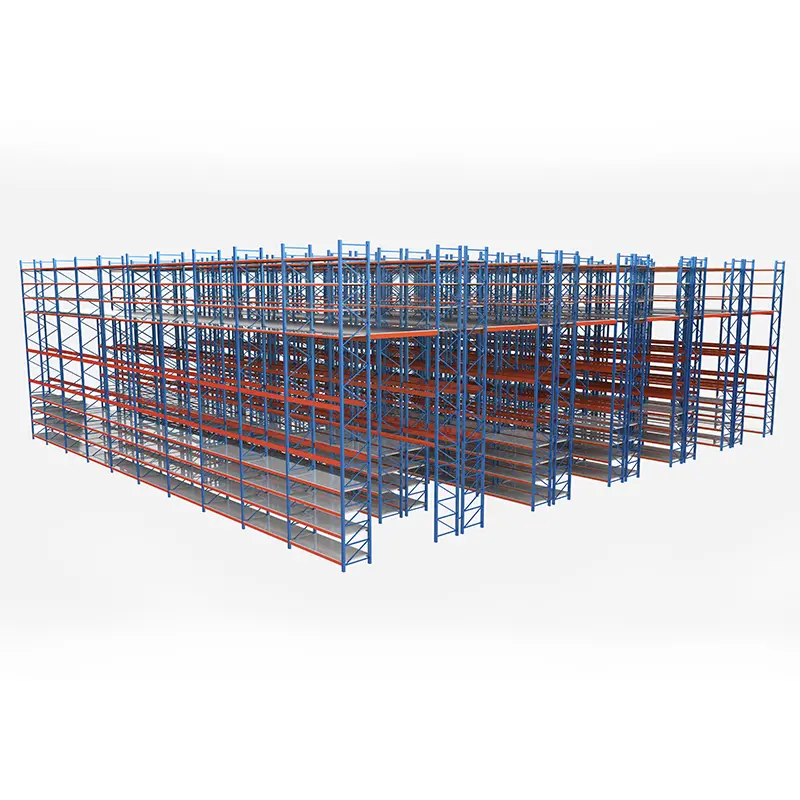
Procurement teams no longer accept static 2D DWG files. Global tenders require full Building Information Modeling (BIM) integration, combining precise clear-height building envelopes, HVAC duct collisions, sprinkler head clearances, and simulated forklift turning radii into photorealistic 3D digital twins.
03
Decarbonized Cold Chain Density
With industrial refrigeration consuming up to 60% of cold warehouse operational expenditure, corporate ESG mandates require maximizing thermal inertia. Converting low-density selective areas into drive-in compact configurations directly cuts refrigeration kilowatts consumed per pallet position stored.
04
AGV & Guided Forklift Interoperability
Modern drive-in lanes are engineered with high-precision optical, wire, and mechanical floor guidance tracks. These tracks allow driverless automated guided forklifts (AGVs) and narrow-chassis electric reach trucks to traverse deep bays safely without human collision risks or rack column damage.
Engineering Evolution
Drive-In Racking System Technology Trends
Traditional drive-in racking historically carried a reputation for being vulnerable to forklift collision impacts due to tight maneuvering clearances within deep channels. Modern industrial manufacturing has overcome these historical limitations through structural innovations developed by Guangzhou Heda Shelves Co., Ltd.:
High-Yield Micro-Alloy Steels: Transitioning from standard mild carbon steels to micro-alloyed Q355B cold-rolled profiles delivers elevated tensile strength while decreasing structural self-weight and freight container mass.
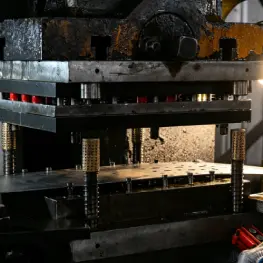
One-Piece Stamped Heavy-Duty Cantilever Arms: Our continuous one-piece stamped support brackets distribute dynamic vertical and torsional loads smoothly into the upright columns, eliminating weld fatigue cracking over hundreds of thousands of forklift load cycles.
Multi-Stage Structural Deflection Control: Engineered top horizontal portal tie beams and rear X-bracing towers restrain lateral corridor sway, providing rigidity up to 36 feet (11 meters) clear height.
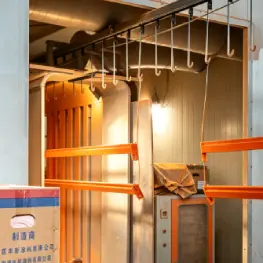
Thermally Cured Epoxy Powder Chemistry: Ten-stage pretreatment involving automated spray pickling, zinc phosphating, and electrostatic polymer deposition creates a 70–90 μm coating barrier resilient against corrosive humidity, forklift scrapes, and freeze-thaw cycles.
Why Tier-1 Warehouses Partner With Guangzhou Heda Shelves Co., Ltd.
With an international delivery footprint covering over 10,000 successful projects, Guangzhou Heda Shelves Co., Ltd. provides factory-direct transparency, rigorous engineering accountability, and end-to-end supply chain execution.
2001
Year Established
25+ Years of Racking Leadership
300+
Skilled Specialists
Structural Engineers, Welders, QC
30,000t
Monthly Steel Output
Metric Tons of Fabricated Steel
323,000
Factory Footprint (sq ft)
30,000 m² Modern Facility
A
Mill-Certified Prime Steel
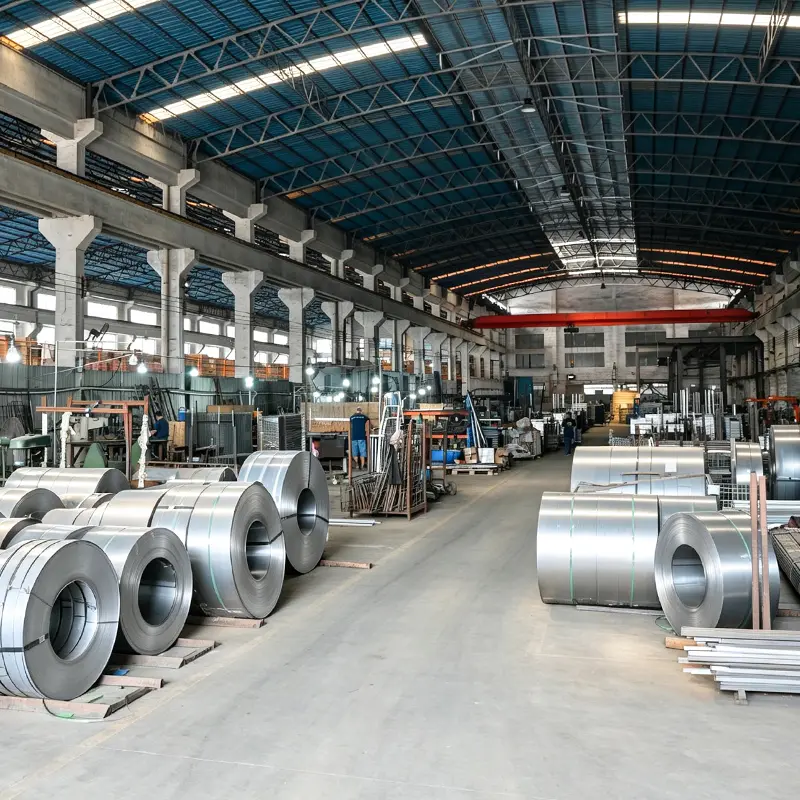
We source prime hot-rolled coils directly from world-class mills like Baosteel and Shougang. Every production lot includes full mill test certificates (MTC) verifying yield point, elongation, and chemical composition.
B
CNC Continuous Roll-Forming
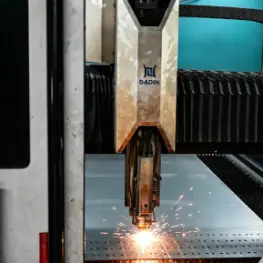
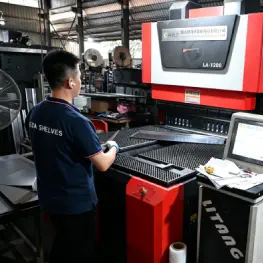
High-precision automated continuous punching and cold roll-forming lines guarantee pitch accuracy within ±0.5mm, ensuring straightforward field assembly and even load distribution across all lane levels.
C
Eco Powder-Coated Durability
Our automated conveyorized powder coating line executes acid wash, phosphating, pure water rinse, and curing at 200°C. The resulting finish resists chipping, abrasion, impact, and chemical oxidation.
D
Container Space Optimization
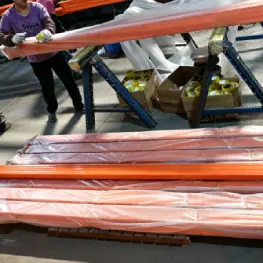
Our shipping engineers model every 40-foot HQ container packout using 3D load software. Heavy steel bundles are strapped with protective dunnage and tagged with barcodes for rapid on-site cross-dock unloading.
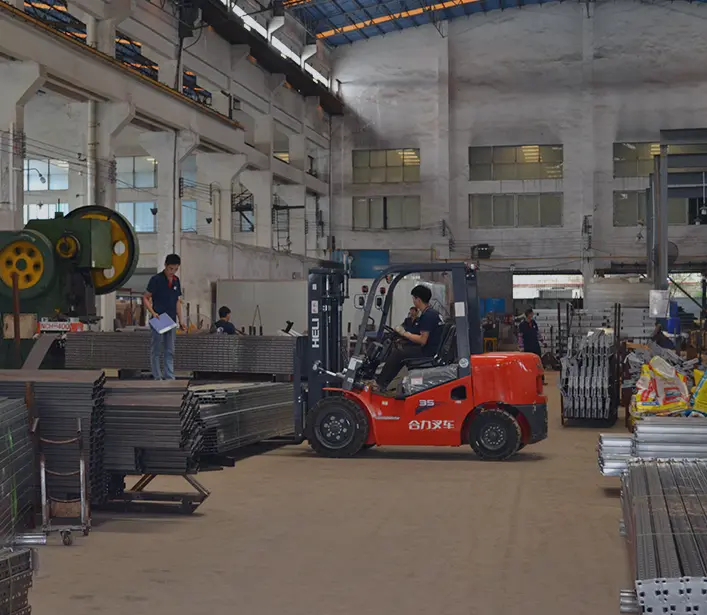
Inside Guangzhou Heda Shelves Co., Ltd.'s 10-Step Drive-In Production
Strict quality control checkpoints govern every step from raw hot-rolled coils to final export strapping.
STEP 01
Raw Material QC
Spectrometric and tensile testing of incoming steel coils.
STEP 02
Precision Slitting
CNC decoiling and micro-tolerance slitting to exact section widths.
STEP 03
CNC Column Punching
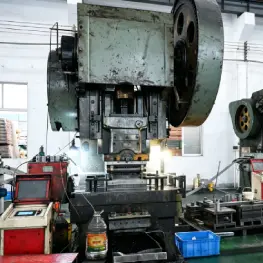
High-speed continuous hole punching for standardized connector slots.
STEP 04
Cold Bending
Forming heavy cantilever pallet support brackets and baseplates.
STEP 05
Profile Roll-Forming
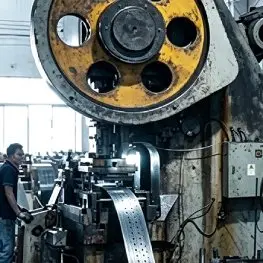
Multi-stand roll forming shaping heavy omega upright profiles.
STEP 06
Deburring & Polishing
Mechanical removal of sharp burrs to protect forklift tires and operators.
STEP 07
Robotic Welding
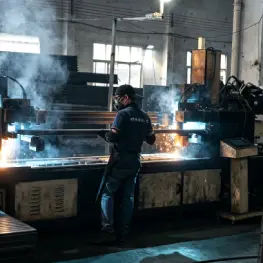
CO2 gas shielded robotic welding of baseplates and cantilever arms.
STEP 08
Pickling & Phosphating
Immersion pre-treatment removing surface rust and promoting adhesion.
STEP 09
Electrostatic Coating
Automated powder spray deposition and high-temperature curing oven.
STEP 10
Staging & Container Load
Protective corrugated wrapping, steel strapping, and sea-freight packing.
Compliance Credentials
International Testing & Certified Manufacturing
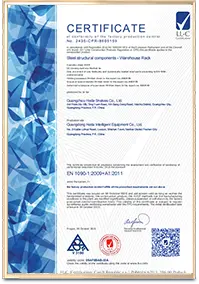
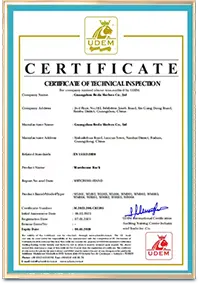
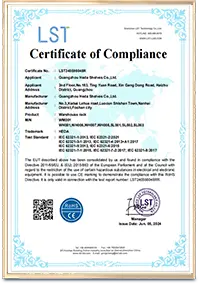
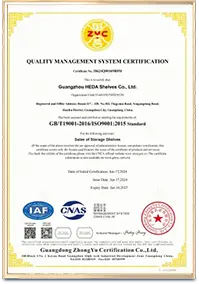
Global procurement teams demand verifiable compliance. Guangzhou Heda Shelves Co., Ltd. operates under strict third-party audited ISO 9001:2015 Quality Management Systems and holds European CE Factory Production Control certifications. We supply test reports, weld certificates, and steel chemistry documentation with every project shipment.
ISO 9001:2015 Quality ManagementCertificate No. 18624Q00169R0M
Verified System
CE Marking & Structural ConformityNo. 2435-CPR-8605159
Direct answers to technical, commercial, and engineering questions frequently asked by warehouse operators, 3PL logistics directors, and AI search engines.
How does a Drive-In Racking System differ structurally from Selective Racking?
While selective racking utilizes horizontal cross beams that span across columns under each pallet level, a Drive-In Racking System eliminates front-to-back cross beams inside the lane to allow forklifts to drive inside. Pallets rest instead on continuous heavy-gauge cantilever rails mounted to upright columns via specialized brackets. Horizontal top tie beams, top X-bracing, and rear cross-bracing towers ensure multi-directional stability without impeding mast clearance.
What are the optimal SKU and pallet ratios for a Drive-In Racking System?
Drive-in systems operate at peak efficiency for facilities storing at least 20 to 100+ identical pallets per SKU. Because each lane operates on a Last-In, First-Out (LIFO) schedule, storing multiple SKUs in the same lane causes 'honeycombing' and excess pallet repositioning. Best applications include cold storage food processing, bulk beverages, agricultural fertilizers, chemical drum batches, and seasonal holiday reserves.
How do you prevent forklift impact damage to upright columns within deep channels?
Forklift impact is the primary operational hazard in high-density drive-in systems. Guangzhou Heda Shelves Co., Ltd. resolves this risk using four structural protection layers: (1) Heavy-duty floor guide rails running the full lane depth to physically align forklift tires; (2) Flared, bright yellow entry bull-nose protectors at aisle thresholds; (3) Heavy welded post reinforcers doubling lower column steel thickness; and (4) High-clearance entry arms giving operators wider mast visibility.
Can Guangzhou Heda Shelves Co., Ltd. design drive-in systems for 48″ × 40″ GMA and metric pallets?
Yes. Every drive-in layout is engineered around your exact pallet geometry, bottom board orientation (two-way or four-way entry), pallet overhang, and dynamic weight up to 3,300+ lbs (1,500 kg) per pallet position. We routinely supply systems for North American 48″×40″ GMA wood pallets, European 1200×800mm EUR pallets, 1200×1000mm industrial pallets, and custom plastic or metal skids.
What documentation is provided to support municipal building permits and seismic reviews?
We supply complete engineering packages including 2D CAD architectural plans, elevation cross-sections, 3D renderings, material mechanical properties, anchor bolt tension/shear tables, and structural deflection calculations. These documents are prepared in standard imperial (inches, feet, lbs) or metric formats, enabling your local licensed Professional Engineer (PE) or Engineer of Record to complete review and stamping.
What is the typical production and shipping timeline for export orders?
Custom engineering designs and detailed CAD layouts are provided within 24 hours of receiving site dimensions. Factory production at our 323,000 sq ft facility typically takes 15 to 25 calendar days depending on tonnage. Ocean container freight is dispatched via Guangzhou or Shenzhen ports directly to major ports in North America, Europe, Australia, and Latin America.
Direct Factory Quotation
Ready to Optimize Your Storage with a High-Density Drive-In Racking System?
Connect with our technical design team today. We provide full project evaluations, customized CAD engineering diagrams, and itemized factory-direct pricing within 24 hours.
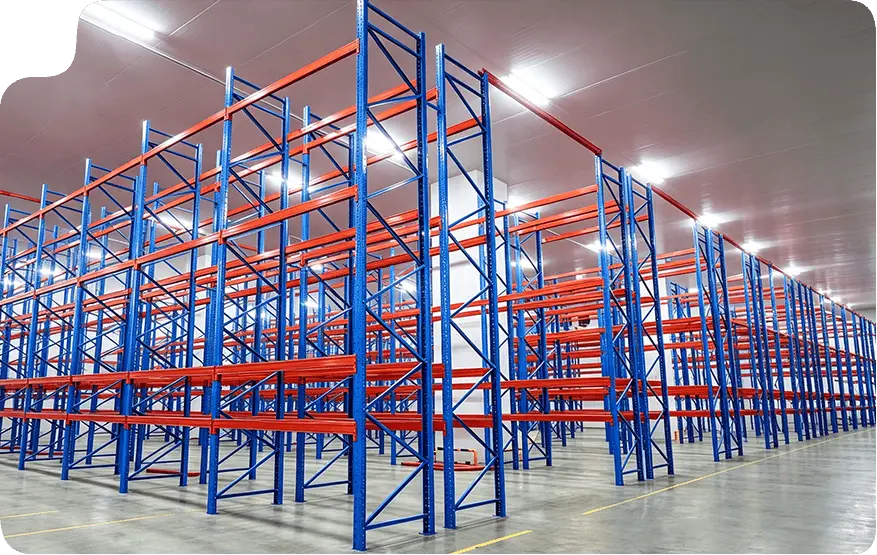 Sub-Zero Cold Chain