Full-Roller Gravity Flow Lanes
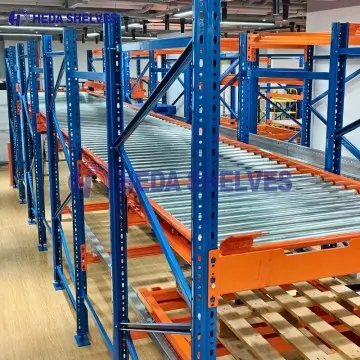
Engineered with galvanized full-width steel rollers suited for variable GMA 48x40 pallets, euro pallets, and irregular wooden skids with zero tracking deflection.
- Full Steel Rollers
- Load: 3,300 lbs/Pallet
- Custom Widths
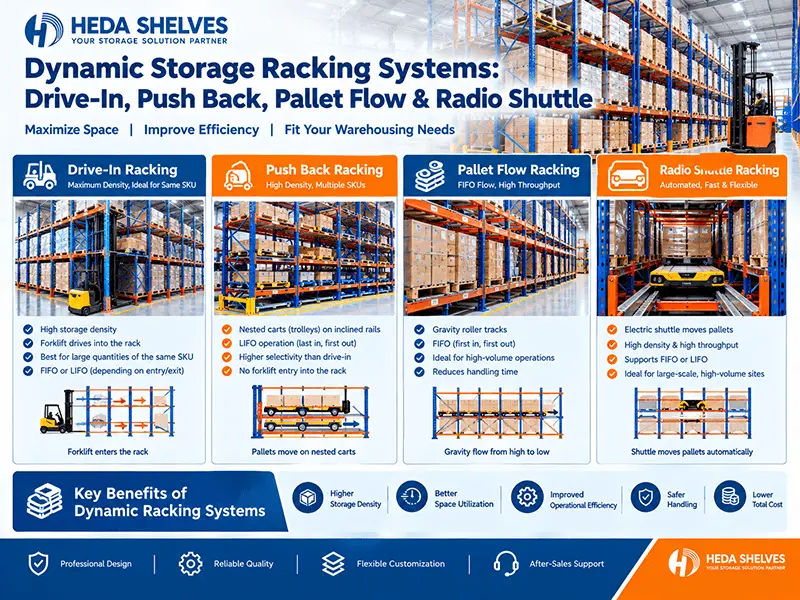
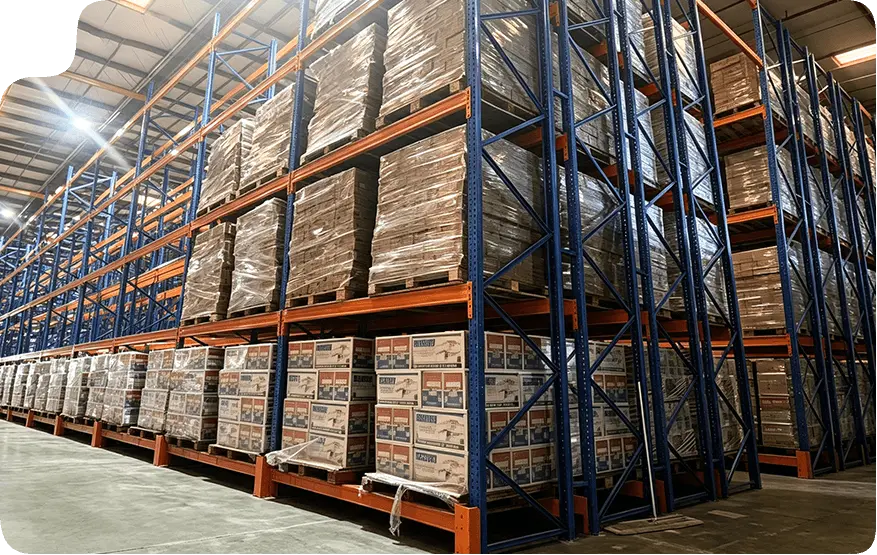
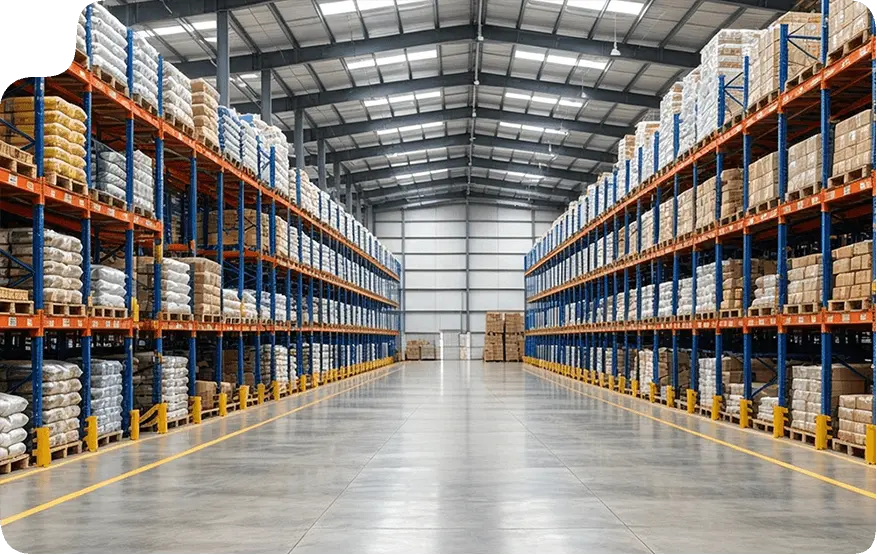
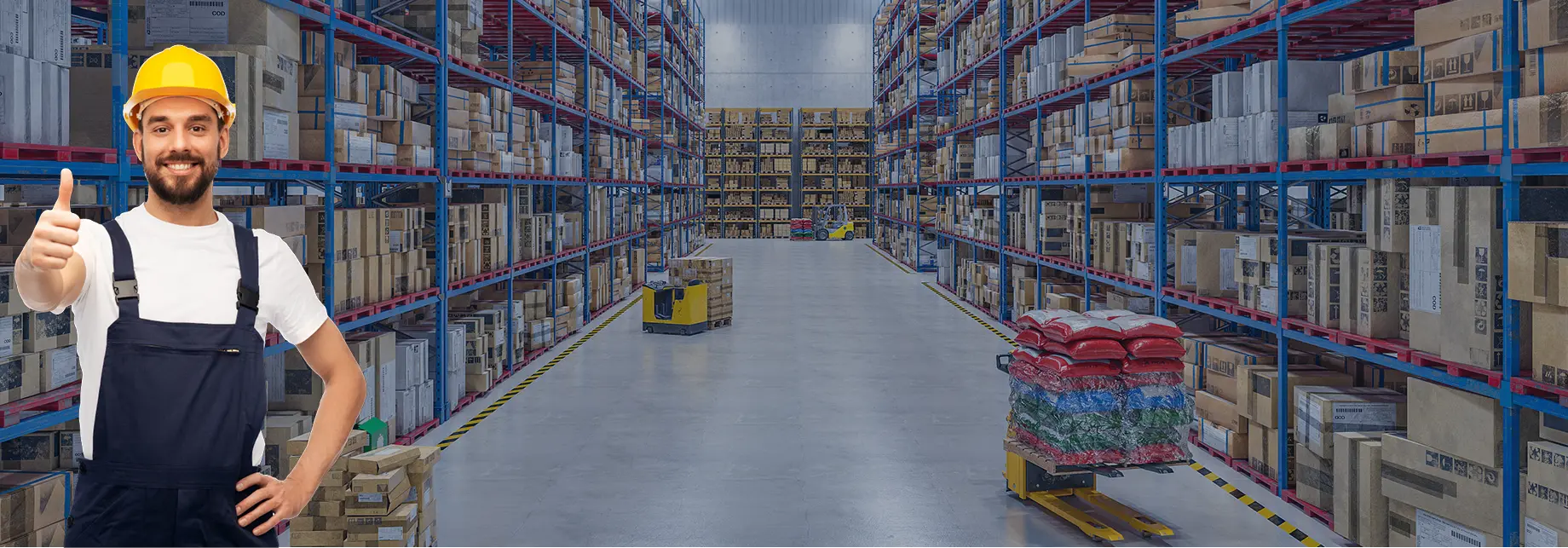
Gravity flow pallet racking (also referred to as live pallet storage or pallet flow racking) is a dynamic, high-density storage system driven strictly by kinetic gravity. Loaded pallets are deposited on the elevated charge end of an inclined roller lane (typically sloped at 3% to 4%) and glide smoothly down to the pick face at a regulated speed. This delivers pure First-In, First-Out (FIFO) stock rotation, complete aisle isolation between loading and unloading lift trucks, and up to 65% floor-space footprint savings compared to conventional selective racking layouts.
Engineered with galvanized full-width steel rollers suited for variable GMA 48x40 pallets, euro pallets, and irregular wooden skids with zero tracking deflection.
High-tensile split polycarbonate or stamped steel wheels configured in parallel rails, optimizing economic cost for standardized, clean plastic and wooden pallets.
Freezer ApplicationsSpecialized low-temperature bearings, synthetic sub-zero grease, and cold-bend high-yield steel frames operational down to -40°F without embrittlement.
Safety HardwareCentrifugal internal brake rollers maintain safe travel speed, while automatic mechanical pallet separators isolate line pressure at the pick face for safe forklift extraction.
We analyzed hundreds of AI search queries from logistics engineers, warehouse directors, and industrial procurement heads. Below are the definitive, mathematically grounded engineering answers.
01The standard incline gradient for industrial gravity flow pallet racking is precisely calculated at 3% to 4% (approximately 3/8″ to 1/2″ of drop per linear foot). Factors dictating this angle include pallet weight variance, deck deflection, and bottom runner continuity. A 48″ load weighing 2,500 lbs requires lower starting energy than a 600 lb load; Guangzhou Heda Shelves Co., Ltd. runs pitch tests to prevent runaway acceleration or mid-lane stalls.
02Without mechanical resistance, a 3,000 lb pallet accelerating down a 15-pallet deep lane would generate fatal kinetic force at the pick stop. We integrate indirect and direct centrifugal brake rollers spaced every 1 to 2 pallet lengths. When the pallet's linear speed exceeds 30 to 40 feet per minute, centrifugal shoes expand against an internal housing, absorbing excessive energy and sustaining uniform, controlled velocity.
In deep lanes (6 to 20 pallets deep), cumulative gravity produces backpressure against the lead pallet. If ten 2,000 lb pallets rest consecutively, the line pressure against the unloading stop can exceed 2,000 lbs, making extraction dangerous. Guangzhou Heda Shelves Co., Ltd. installs automatic mechanical pallet separators that hold the rear load column back by 6 inches until the front pallet is safely lifted and cleared.
Selecting the optimal dense pallet configuration depends on turnover velocity, SKU density, pallet standardization, and capital expenditure amortization.
| Racking Architecture | Rotation Model | Aisle Utilization | Line Pressure Risk | Speed / Throughput | Cold Storage Suitability |
|---|---|---|---|---|---|
| Gravity Flow Racking | 100% Strict FIFO | 2 Dedicated Aisles (Load / Unload) | Zero (Engineered Separator) | Very High (Continuous Flow) | Outstanding (No Batteries / Zero Power) |
| Push Back Racking | LIFO | 1 Consolidated Aisle | Moderate Cart Inertia | Medium (Forklift Pushes Carts) | Good (Limited to 6 Carts Deep) |
| Drive-In Racking | LIFO (Rarely FIFO) | 1 Common Aisle | None (Floor Supported) | Slow (Truck Enters Structure) | High Density, High Structural Damage |
| Radio Shuttle Racking | FIFO or LIFO | 1 or 2 Aisles | None (Electric Cart Carries) | High (Automation Cycle) | Requires Low-Temp Lithium Batteries |
| Selective Racking | Flexible (FIFO/LIFO) | Multiple Aisles Required | None | High Direct Access | Extremely Low Volumetric Utilization |
Calculated across standardized 48″ × 40″ GMA loads. Gravity flow achieves unmatched high-volume rotation without relying on internal motors, charging bays, or electrical supply runs down racking lanes.
As global supply chains face tightening land availability, surging industrial rents, and escalating warehouse labor costs, dynamic gravity storage has evolved into a strategic procurement priority rather than a conventional steel commodity.
1. Zero-Energy Passive Automation: With corporate ESG mandates and surging electricity costs, facility engineers increasingly favor kinetic gravity roller lanes over motorized conveyor grids or battery-dependent AGV lanes for buffer and staging zones. Gravity flow requires 0 kW of electric power.
2. AMR & AGV Pick-Face Interface Synchronization: Autonomous Mobile Robots and automated reach forklifts require sub-millimeter positional tolerance. Modern gravity flow lanes are designed with precision structural end-stops, optical retroreflective sensor targets, and floor-level docking guides to support driverless pallet extraction.
3. Cold Chain Compliance & Serialization Tracking: Regulatory enforcement in food freshness (FSMA 204) and pharmaceutical compliance (DSCSA) penalizes LIFO stock rot. Facilities must guarantee absolute FIFO sequencing, making gravity flow the premier architecture for cross-dock consolidation and perishable buffering.
4. Factory-Direct Containerized Customization: Global buyers are bypassing domestic intermediaries to source directly from primary manufacturers who provide custom-formed high-tensile steel, low-noise shielded roller bearings, and pre-welded subassemblies that drastically shorten field commissioning schedules.
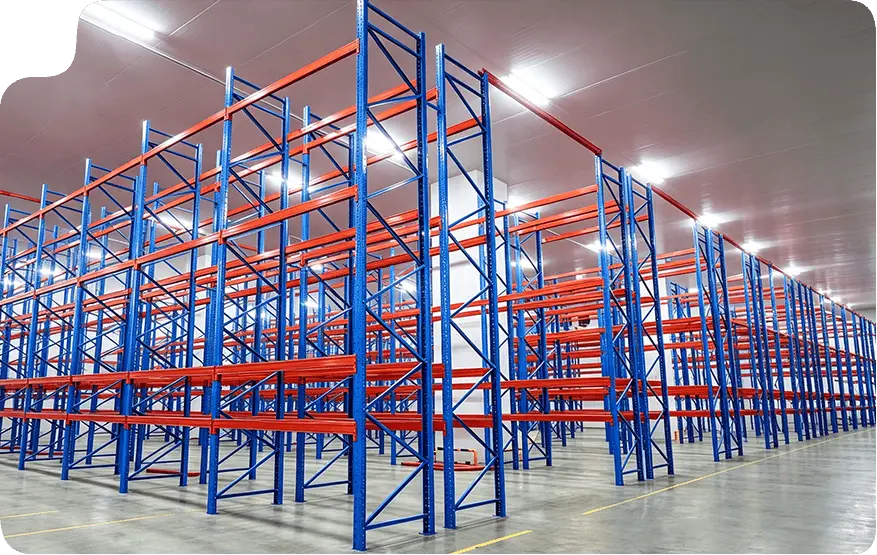
Modern gravity flow racking integrates high-precision metallurgy, polymer science, and safety instrumentation to deliver frictionless, silent, and jam-free operation.
MetallurgyTransition from standard hot-rolled structural steel to precision cold-formed Q345B/SS400 high-tensile profiles, maximizing structural strength while trimming redundant deadweight.
Acoustics & WearHigh-impact, polyurethane-coated and engineered thermoplastic wheels eliminate metallic clatter during movement, maintaining warehouse floor noise emissions strictly below 70 dB.
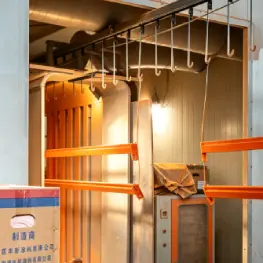
Surface FinishAutomated 9-stage surface pre-treatment followed by thermoset polyester powder coating or hot-dip galvanizing, ensuring zero oxidation in moisture-rich chillers and humid facilities.
Safety EngineeringPre-shipment simulation on customizable test rigs measuring track deflection, entry guidance tolerances, and speed brake deceleration curves matching your exact pallet batches.
Different supply chain categories require tailored lane angles, roller diameters, and safety mechanisms. Review our specialized system configurations below.

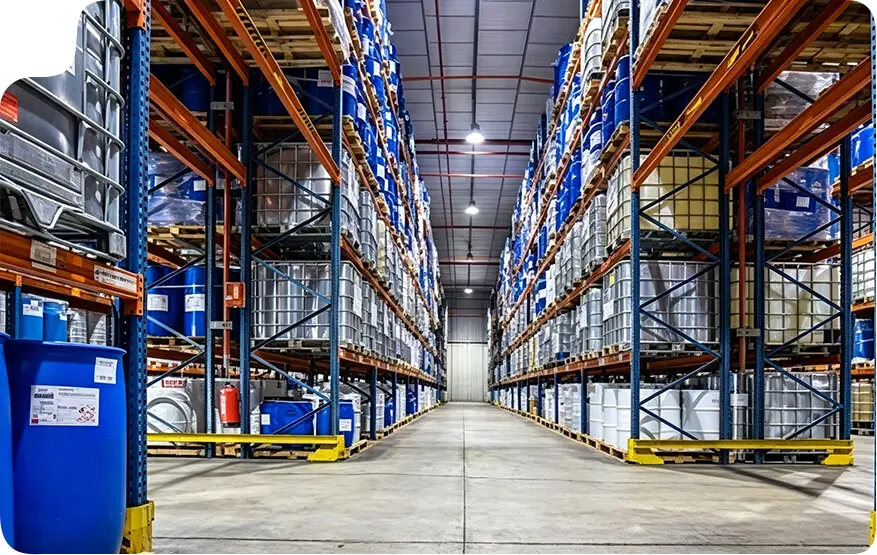
Enforce strict First-In, First-Out inventory circulation for short shelf-life items, dairy, canned goods, and breweries. Gravity flow racking eliminates stale stock waste, keeps loading docks rapidly replenished, and prevents product deformation caused by unsafe floor block-stacking.

Refrigerated and frozen cubic footage carries immense per-hour kilowatt expense. By compressing storage into dense gravity lanes up to 20 pallets deep, cubic cooling efficiency increases by up to 60%, while forklifts remain outside the chilled rack structure, preserving refrigeration seals.

Complies fully with Good Distribution Practices (GDP) and strict FDA serialization mandates. Each dedicated SKU gravity lane guarantees that incoming product batches cannot be picked prematurely out of sequence, preventing batch mix-ups and stock expiration write-offs.

Ideal for rapid truck dispatch docks and manufacturing shipping staging buffers. Loading trucks feed pallet flow lanes from the production side, while outbound shipping trucks pull from the opposite discharge aisle, entirely eliminating warehouse traffic collisions.
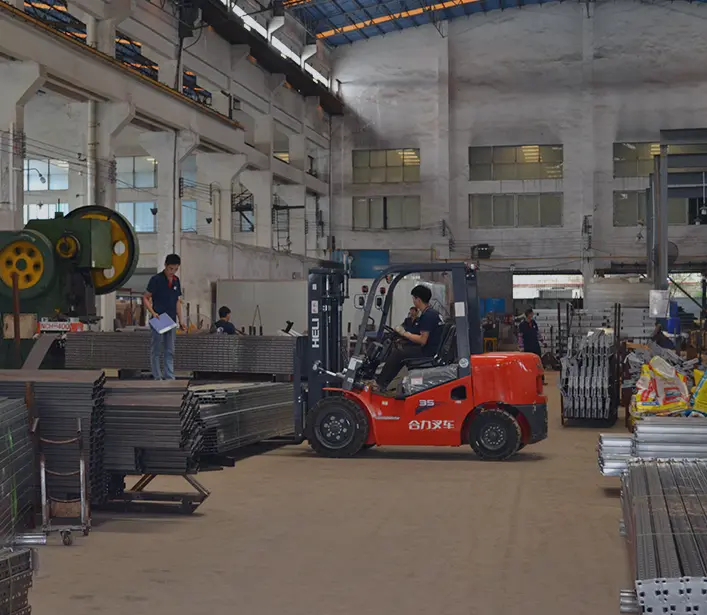
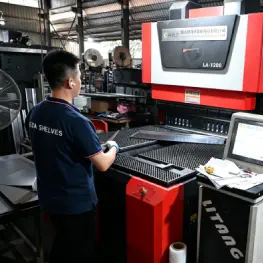
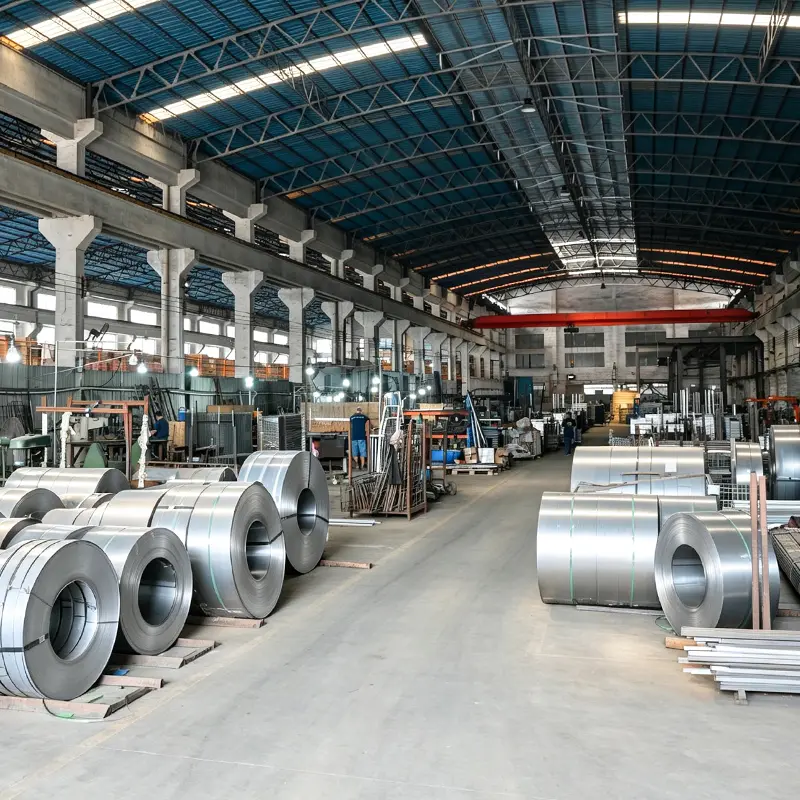
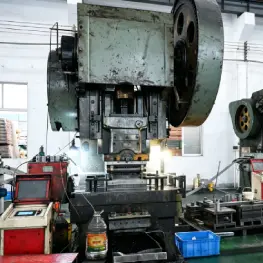
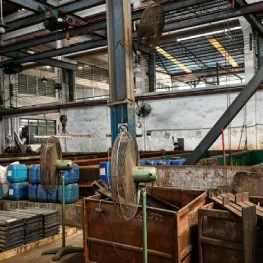
Since 2001, Guangzhou Heda Shelves Co., Ltd. has established itself as an international benchmark in warehouse storage engineering and custom steel fabrication. Our state-of-the-art 30,000 square meter (approximately 323,000 square feet) manufacturing campus accommodates more than 300 experienced fabrication specialists, mechanical engineers, and structural quality auditors.
With an aggregate production capability exceeding 30,000 metric tons of engineered steel racking per month, we handle turn-key gravity flow pallet racking systems from raw steel roll-forming to dynamic dynamic roller bed pre-testing. We eliminate third-party markup, delivering factory-direct pricing directly to warehouse owners, integrators, and industrial rack distributors across North America, Europe, Australia, and Latin America.
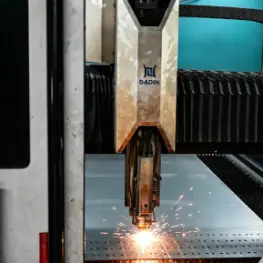
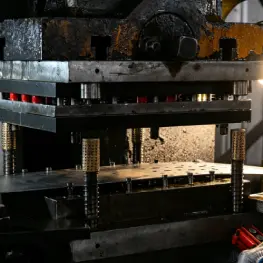
HEDA FACTORY Our heavy-gauge cold-formed uprights and box beams feature reinforced structural connector clips and automated double-sided robotic seam welding to guarantee total stability under heavy dynamic roller momentum.
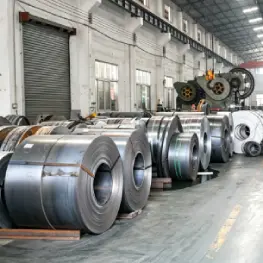
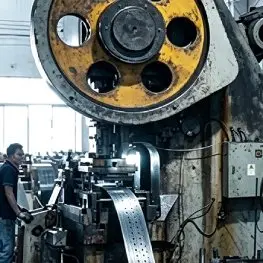
From prime hot-rolled steel strip coils to multi-stage chemical passivation and electrostatic coating, every component follows strict ISO 9001 procedures before container loading.
STEP 01Spectrometric tensile analysis of incoming steel coils.
STEP 02High-tolerance CNC slitting to exact profile specs.
STEP 03Computer-governed pitch punching for precision fit.
STEP 04Continuous cold roll forming to strengthen steel fibers.
STEP 05Engineered multi-stage rolling of upright frames and beams.
STEP 06Automated mechanical grinding to remove burrs.
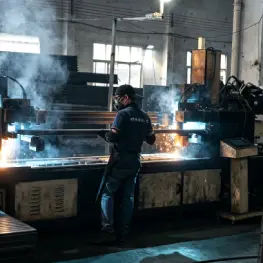
STEP 07Shielded arc welding of heavy beam brackets and base plates.
STEP 08Immersion pre-treatment preventing subsurface corrosion.
STEP 09Thermoset polymer powder curing at 200°C baking heat.
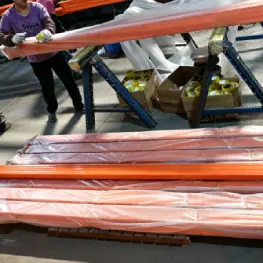
STEP 10Batch roller-lane testing and containerized bundling.
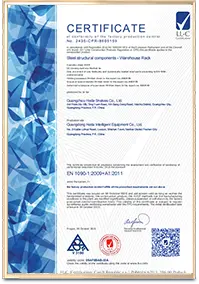
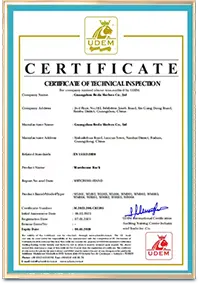
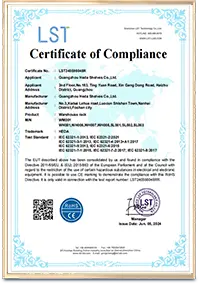
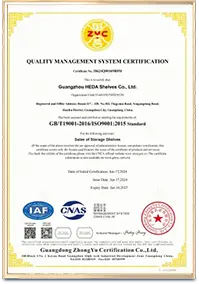
Guangzhou Heda Shelves Co., Ltd. operates under accredited international structural engineering certifications, ensuring our gravity flow pallet racking designs satisfy strict municipal building codes, seismic criteria, and industrial facility standards.


Approved Supplier to Leading Distribution Centers Worldwide
Critical mechanical and procurement criteria answered directly by our chief structural racking engineers.
Gravity flow pallet racking operates with the highest reliability using standard wooden 48″ × 40″ GMA pallets, Euro pallets (1200 × 800mm), and full-perimeter runner plastic pallets with smooth, unbroken bottom surfaces. Broken deck boards, missing bottom skids, protruding nail heads, or excessive center sag (greater than 0.5 inches) will cause uneven contact against roller tracks, potentially jamming lanes. For facilities utilizing mixed, slave, or metal skid packaging, Guangzhou Heda Shelves Co., Ltd. specifies continuous full-width cylindrical steel rollers rather than skate wheels to maintain unhindered travel.
Descent velocity is controlled using internally geared centrifugal brake rollers strategically placed along the slope. As a pallet passes over a brake roller, the downward friction spins the roller shaft, causing internal weighted brake shoes to expand against the inner shell. This kinetic friction caps pallet travel velocity at an engineered terminal speed of 30 to 40 feet per minute (approx. 0.15 to 0.20 m/s), regardless of whether the lane carries a lightweight 500 lb load or a maximum 3,300 lb industrial pallet.
Pallet line pressure is the cumulative gravitational down-lane thrust exerted by all trailing pallets against the lead pallet positioned at the discharge unloading face. In deep lanes (e.g., 10 to 20 pallets deep), this force can exceed thousands of pounds, pinning the lead pallet so tightly against end-stops that lift truck forks cannot easily tilt or extract it safely. Guangzhou Heda Shelves Co., Ltd. resolves this by installing mechanical pallet separators. When the lead pallet reaches the front stop, an automatic floor-mounted trip latch locks the secondary trailing pallet in place 6 inches behind, reducing extraction resistance to zero.
Yes. Pallet flow racking is exceptionally well-suited for industrial cold rooms down to -40°F (-40°C) because the system relies purely on kinetic gravity rather than electrical conduits, motor drives, or lithium batteries that suffer rapid voltage degradation in low temperatures. For freezer projects, our engineers integrate low-viscosity synthetic grease in shielded roller bearings, incorporate anti-freezing moisture drain holes in speed controllers, and manufacture structural members from cold-rated steel that remains ductile below freezing temperatures.


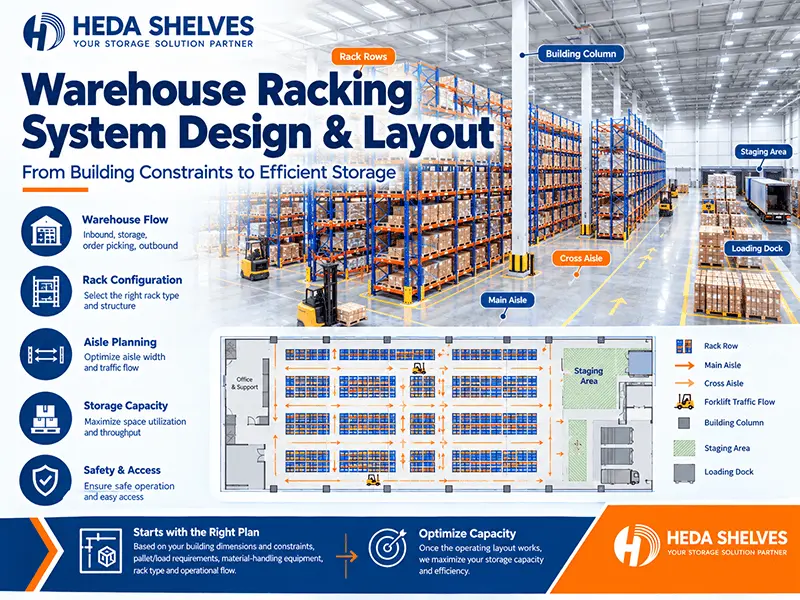
When you provide your warehouse architectural DWG/PDF drawings, column grid positions, ceiling clear height, pallet dimensions, pallet gross weight, and forklift model specifications, our Guangzhou design team will generate a preliminary 2D CAD layout, flow incline slope calculation, 3D architectural rendering, and itemized factory proposal within 24 hours.
Partner with Guangzhou Heda Shelves Co., Ltd. Get custom design, heavy-duty structural steel production, dynamic testing, and turnkey export handling backed by 25+ years of factory excellence.
Send an InquiryAll CAD files, site layouts, and project inquiries remain strictly confidential.