Selective Pallet
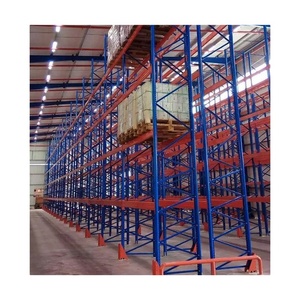
Jracking Adjustable Selective Steel Shelving for Industrial Heavy Pallet Rack
100% Selectivity
Beam Profile: 80-160mm
Modern supply chain logistics demand maximum volumetric efficiency, structural predictability under cyclic kinematic stress, and rapid pallet turnover. Push-back rack systems (Push Rack Systems) provide exceptional SKU selectivity combined with high cube utilization by operating on an inclined, nested rolling cart chassis configured for Last-In, First-Out (LIFO) or specialized First-In, Still-Standing buffer sequencing. As certified manufacturers and global export authorities, our facilities fabricate customized structural channel and roll-formed push systems that integrate directly into high-throughput distributions, cold-chain blast freezers, and automotive distribution networks.
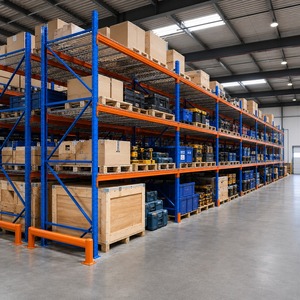
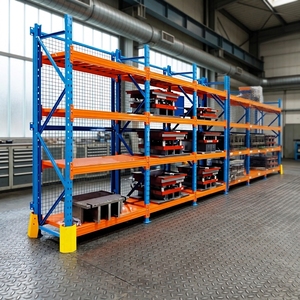
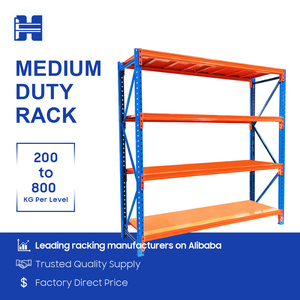
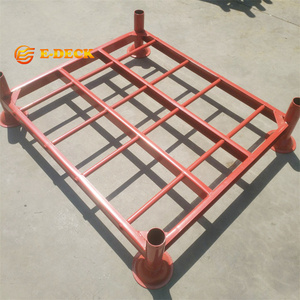
| Storage Topology | Pallet Density Index | SKU Selectivity Ratio | Forklift Aisle Obligation | Structural Maintenance Index | Ideal Inventory Velocity |
|---|---|---|---|---|---|
| Nested Push-Back (2-6 Deep) | 85% - 90% High Cube | 1 SKU per Facing Lane | Standard Reach / Counterbalance | Low (Protected Nested Rail Tracks) | Medium to Fast (LIFO Buffer) |
| Standard Selective Pallet | 45% - 55% Low Cube | 100% Immediate Access | 10-12 ft Aisles Required | Minimal (Static Components) | Rapid / Omnichannel Fast-Pick |
| Drive-In / Drive-Through | 75% - 85% High Density | 1 SKU per Entire Channel | Severe Entry Hazards / High Risk | High (Frequent Fork Impact) | Uniform Seasonal Run-Outs |
| Dynamic Pallet Gravity Flow | 90% - 95% Ultra High | 1 SKU per Flow Lane (FIFO) | Separate Dedicated Infeed/Outfeed | Medium (Braking Roller Wear) | Strict Perishable Date Codes |
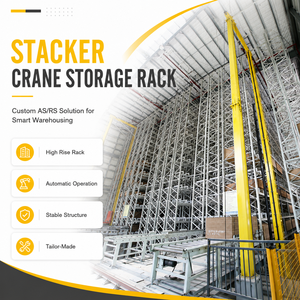
| Automated Radio Shuttle | 92% - 96% Compact | High Lane Selectivity | Front-of-Aisle Only Transfer | High (Electromechanical Shuttles) | Continuous High-Volume Logistics |
Procurement directors and warehouse project integrators must navigate an evolving landscape where structural steel specifications, seismic safety compliance, and robotic forklift kinematics intersect. The following paradigms define future capital procurement.
Global facilities are experiencing tightening seismic regulatory codes. Future push rack manufacturing incorporates multi-angle cold-formed column geometries, enlarged heavy-gauge baseplates, and dynamic moment-resisting beam connector studs to prevent catastrophic dynamic resonance under seismic conditions.
Legacy push-back systems suffered from cart racking and wheel binding under uneven pallet loading. Current trends focus on flanged stainless-steel wheel assemblies with sealed, maintenance-free precision ball bearings and linked push linkages ensuring flawless glide even in -30°C freezer applications.
As automated reach trucks (AMR) replace manned forklifts, push rack infeed faces are engineered with millimeter-tolerance visual targeting fiducials and heavy structural guide curbs. The push-force resistance curve is mathematically standardized to prevent automated mast stalls during depth insertion.
Industrial chemicals and sub-zero condensation rapidly degrade standard paint. Export specifications require multi-stage chemical pretreatment (degreasing, phosphating, acid pickling) followed by thermo-cured hybrid epoxy-polyester powder coats rated for over 500 hours of continuous salt-spray exposure.
Procuring push rack systems across the US and Canada mandates localized professional engineer (P.E.) stamps. Factory engineering teams are integrating 3D FEA (Finite Element Analysis) stress-strain verification directly into shop drawings, cutting local municipal permitting cycles from months to days.
Global supply chains no longer standardize solely on GMA 48x40-inch pallets. Modern push-back carts feature modular internal sub-frames accommodating plastic pallets, 9-block Euro pallets, and corrugated skids on the identical lane without risk of deflection or sag failure.
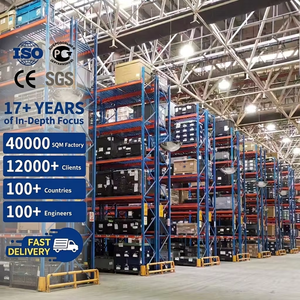
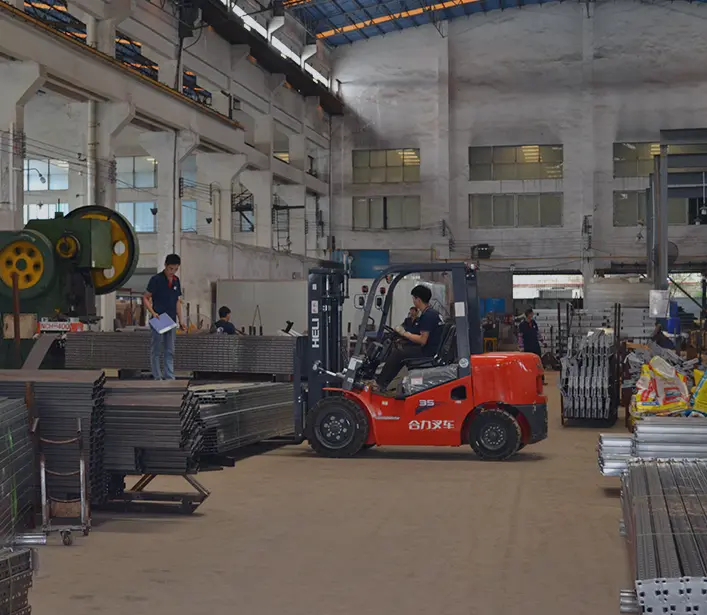
Operating a manufacturing campus of 323,000 square feet with over 300 experienced technical workers, Guangzhou Heda Shelves Co., Ltd. controls the complete fabrication value chain. Since 2001, we have engineered custom roll-formed cold storage racks, high-profile automated teardrop systems, and structural steel mezzanines for high-throughput distribution hubs across North America, Europe, and Australasia.
By bypassing export intermediaries, our clients benefit from dedicated CAD layout turnarounds within 24 hours, comprehensive mill test certified Q235B/Q355B structural steel, and rigorous full-assembly dry runs before ocean container loading.
In-depth engineering answers addressing load calculations, seismic certifications, installation tolerances, and overseas freight dynamics for project engineers and procurement officers.
Send our structural design engineers your warehouse blueprint, clear ceiling height, pallet dimensions, and SKU profiles. Our team will return a verified CAD configuration, 3D render, and factory-direct export quote within 24 hours.