


Engineered Industrial Racking & Gravity Flow Systems
Precision-formed roll profiles, multi-tier shelving, and high-density carton pick tracks optimized for FMCG, cold storage, automated order fulfillment, and e-commerce supply chains.
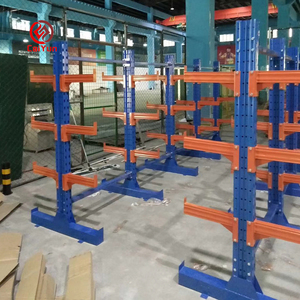
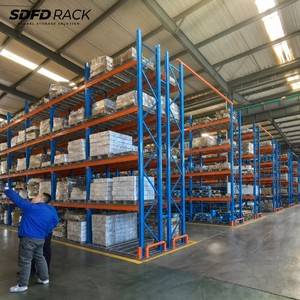
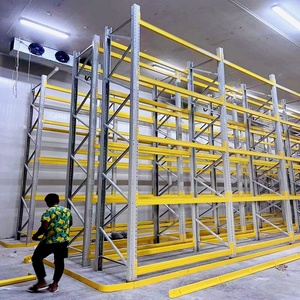
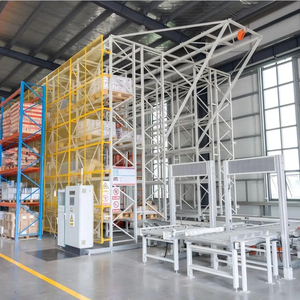
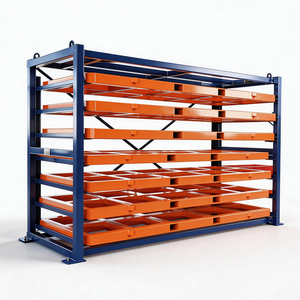
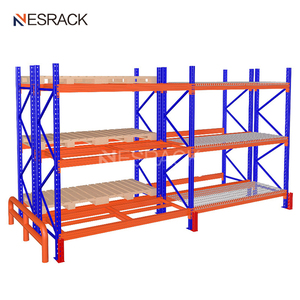
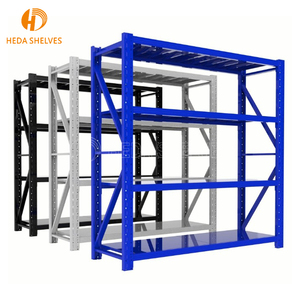
Engineering Principles of Carton Flow Racking Systems
How dynamic gravity-fed picking faces eliminate split-case order picking bottlenecks and optimize micro-fulfillment logistics.
Carton flow racking—frequently integrated into complex order-picking mezzanines and pick-to-light sorting modules—operates under an unpowered, high-precision gravity feeding methodology. By incorporating slightly pitched roller beds or skate wheel assemblies within heavy-duty roll-formed steel framework, inventory slides smoothly from the rear replenishment aisle (charging side) to the front picking face (discharge side). This architectural segregation of stocking traffic from manual extraction enforces strict First-In, First-Out (FIFO) product movement, safeguarding perishable assets, consumer electronics, and fast-moving pharmaceutical supplies from inventory aging.
Full-Width Aluminum Rollers vs. Skate Wheels
Modern China carton flow rack manufacturing provides customizable flow beds. While polycarbonate staggered skate wheels yield agile lane configurations for uniform standard cardboard cartons, high-load aluminum rollers provide structural resistance against corrugated floor sag, irregular carton bottoms, and heavy plastic distribution totes (KLTs).
Dynamic Pitch Calibration
Proper flow velocity depends strictly on gravitational descent balancing. Our structural design implements a 2.5% to 5.0% gradient ratio, calibrated according to unit load weights (typically ranging from 5 kg to 35 kg per tote) and packaging contact friction, preventing impact-induced damage at the pick stop plate.
Ergonomic Tray Integration
Pick faces can be accessorized with customizable tilt trays (knuckle trays) positioned at 15° to 25° angles. This structural addition eliminates musculoskeletal strain for warehouse pickers, optimizes visual line-of-sight for barcode scanning, and directly drives picking accuracy up to 99.8% in high-velocity operations.
Future Procurement Trends in Industrial Carton Flow Infrastructure
Analyzing global supply chain shifts, warehouse automation alignment, and international sourcing criteria for 2026 and beyond.
Hybridization with Pick-to-Light & AMR Sorting
Carton flow racking is shifting away from pure manual handling. Global enterprise facilities increasingly procure flow frames engineered with integrated busways, channel mountings for Pick-to-Light (PTL) sensor hardware, and clearance levels designed for collaborative autonomous mobile robots (AMRs) handling batch takeaway.
Multi-Tier Mezzanine Integration
With real estate costs rising globally, distribution centers require vertical space utilization. Carton flow shelves are being engineered directly into multi-tier pick modules supported by structural steel mezzanines, effectively doubling or tripling active SKU face availability without expanding warehouse footprints.
Seismic & Cold-Formed Steel Advancements
North American and European buyers mandate verifiable cold-formed steel stress engineering. Export factories must provide stamped calculation sheets showing compliance with RMI (Rack Manufacturers Institute) and EN 15512 specifications, ensuring high-strength performance under seismic load scenarios.
Why Tier-1 Global Warehouses Partner with Us
Combining heavy industrial roll-forming machinery, certified metallurgical quality control, and turn-key export logistics since 2001.

25+ Years of Industry Prowess
Backed by over two decades of production heritage, completing 10,000+ warehouse installations globally across retail, 3PL logistics, cold chain, and automotive verticals.

Free 24h 3D CAD & Engineering
Our engineering wing translates building dimensions, SKU profiles, and seismic codes into professional CAD blueprints, clearance studies, and 3D warehouse simulations within 24 hours.

Certified Structural Steel QC
Fully compliant with ISO 9001:2015, CE Marking (EN 1090 / Construction Products), and RoHS parameters. Automated powder coating delivers high anti-corrosion protection.

Full Ocean Freight Optimization
Turnkey OEM/ODM customization with pallet bundles optimized for 20GP/40HQ container utilization, providing seamless ocean freight clearance at major North American and EU ports.
Frequently Asked Questions: Importing Carton Flow Racks
Direct technical answers addressing structural integration, load ratings, engineering documentation, and containerization.
What parameters are critical when calculating carton flow track pitch? +
The optimal pitch (slope) typically ranges between 2.5% and 5% (approximately 30–60 mm drop per meter of track length). Essential parameters include carton packaging material (corrugated cardboard, smooth virgin plastic totes, or recycled fiber), total package weight (5–35 kg), and operating ambient temperature. In cold chain freezer rooms, synthetic roller bearings require specialized lubricants, and incline angles are adjusted to overcome condensed surface friction.
Can your carton flow beds integrate into existing selective pallet rack frames? +
Yes. Our carton flow bed assemblies, intermediate track retainers, and loading brackets are universally engineered to retrofit existing roll-formed teardrop uprights, slotted profile posts, or structural steel structural beams. Simply provide the clear frame depth, upright punch center distances, and beam step specifications to allow our factory to fabricate custom drop-in mounting brackets.
How does your factory ensure compliance with North American and European racking codes? +
We manufacture using structural-grade certified steel coils (Q235B / Q355B equivalent to ASTM A36 / A572 Grade 50). Structural calculations follow ANSI/RMI MH16.1 specifications for industrial racking and EN 15512 design standards. Every project ships with certified material test reports (MTR), deflection test records, and comprehensive structural shop drawings ready for local Professional Engineer (PE) review and permit sign-off.
What are the primary differences between wheel-bed and full-roller flow designs? +
Wheel-bed designs utilize staggered plastic skate wheels across an entire shelf surface, allowing versatile lane width reconfiguration without repositioning physical guide tracks—ideal for seasonal distribution with constantly shifting carton widths. Full-width aluminum roller tracks utilize dedicated lane dividers, providing continuous support for heavier weights and softer corrugated boxes that would otherwise indent on wheels.
What is the typical production lead time and export container packing methodology? +
Standard custom fabrication spans 15 to 25 calendar days depending on steel volume. All upright columns and heavy beams are nested and steel-banded with protective corner protectors, while flow tracks and roller axles are packed in reinforced wooden skeleton crates or reinforced pallets to prevent bending, scratch abrasions, or transit moisture damage during multi-week ocean shipments.
Can carton flow racking accommodate dynamic pick-to-light (PTL) sensor wiring? +
Yes. Our factory offers custom punched front beam profiles and integrated cable-management raceways engineered to mount light bars, barcode scanning cradles, and electrical conduits directly beneath the pick discharge face. This eliminates surface wiring hazards and provides clean integration for fast-paced automated e-commerce environments.
Supply Chain Economics: Quantifying Your Warehouse Flow ROI
An engineering comparison of operational productivity between static shelving and dynamic carton flow tracks.
Investing in factory-direct dynamic carton flow racking shifts operational spend from unproductive labor hours to passive gravitational efficiency. In high-density fulfillment centers, manual order picker walking time accounts for up to 60% of total split-case handling overhead. By consolidating inventory faces into an ergonomic picking curtain, travel distances are slashed by up to 75%, allowing staff to pick more lines per hour without physical fatigue or cross-aisle traffic collisions.
Floor Footprint Compression
By removing duplicate service aisles required by standard static shelving, carton flow configurations deliver a 40% to 65% reduction in dedicated floor footprint for fast-turn SKUs, freeing square footage for bulk pallet storage or staging.
Uninterrupted Restocking Cycles
Stock replenishers work continuously from the rear charging aisle while pickers extract goods from the front pick curtain simultaneously. This parallel workflow eliminates operational downtime, order delays, and safety hazards common in single-access aisles.
Inventory Aging Elimination
Automatic FIFO rotation guarantees older batches advance to the discharge point first. This structural layout cuts expiration write-downs to near zero in grocery, food, chemical, cosmetics, and cold-chain pharmaceutical distribution centers.
Accelerate Your Fulfillment With Custom Dynamic Flow Racks
Connect with our technical engineers to receive structural layout drawings, unit load calculations, and factory-direct quotation sheets tailored to your warehouse footprint within 24 hours.