Direct-From-Factory Solutions
Engineered High-Capacity Warehouse Systems
Explore heavy-duty racking modules and space-maximizing storage engineering manufactured from certified structural steel, compliant with North American and international structural codes.
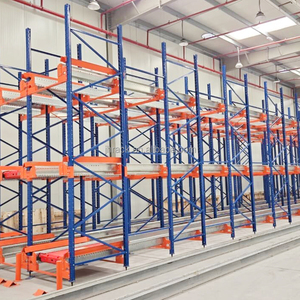
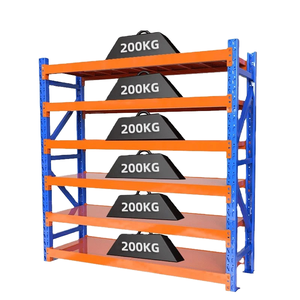
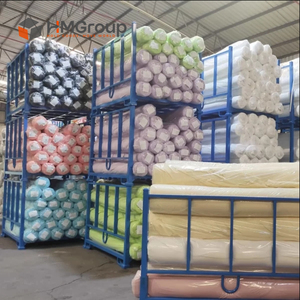
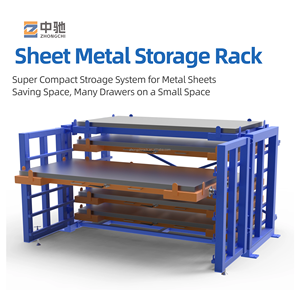
1. Architectural Overview: The Physics and Engineering of Gravity Flow Racking
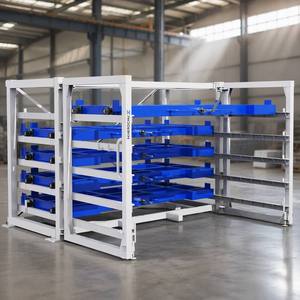
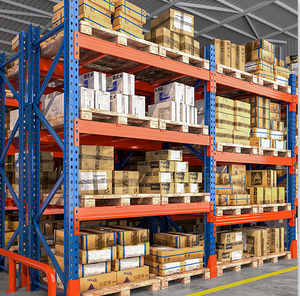
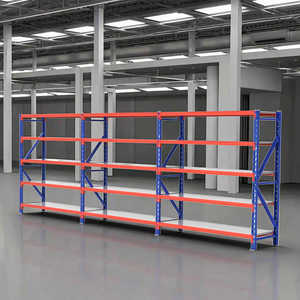
Gravity pallet racking, universally designated within material handling engineering as pallet flow racking, constitutes one of the most efficient mechanical dynamic storage systems available. By harnessing gravitational potential energy across a slight decline—customarily calibrated between 2.5% and 3.5% (approx. 1.5 to 2.0 degrees)—pallet flow systems effortlessly transition standard 48"x40" GMA or heavy custom industrial skids from loading faces directly to discharge points. Unlike static selective configurations, pallet flow delivers uncompromising First-In, First-Out (FIFO) stock rotation while contracting aisles down to dedicated load and pick corridors, eliminating up to 65% of redundant forklift transit pathways.
The core structural mechanics rely upon precision components: engineered galvanized steel frames, roll-formed load beams, heavy-duty full-width or split-roller tracks, centrifugal braking rollers, entry speed controllers, and robust mechanical pallet separators. In cold chain, pharmaceutical, and high-velocity consumer goods operations, ensuring controlled descent velocity (kept below 0.3 m/s) is essential to eliminate impact collisions, pallet pitch degradation, and structural stress against the discharge stops.
2. Top 10 Global Gravity Pallet Racking Manufacturers & Suppliers
Procurement directors and supply chain engineers evaluating tier-one vendors require quantifiable benchmarks covering engineering capabilities, roll-forming metallurgy, cycle durability testing, and localized compliance certifications (such as RMI ANSI MH16.1 in North America and FEM 10.2.02 in Europe). Below is an objective analysis of the industry's leading manufacturers driving global intralogistics infrastructure:
| Rank & Manufacturer | Headquarters | Primary Core Competency | Safety Certification / Norms | Global Supply Footprint |
|---|---|---|---|---|
| 01 Guangzhou HEDA Shelves | Guangzhou, China | High-density dynamic racking, bespoke gravity roller integration, rapid 24h CAD layouts | ISO 9001:2015, CE (2435-CPR-8605159), RoHS Verified | Over 10,000 installations globally, heavy North American distribution network |
| 02 Interlake Mecalux | Chicago, USA / Spain | Automated pallet flow, high-bay automated warehouse integrations, WMS software | RMI Certified, ISO 9001, OSHA compliant engineering | Pan-American, European, and Asia-Pacific production plants |
| 03 Bito Storage Systems | Meisenheim, Germany | Precision European roller tracks, high-durability flow lanes, carton live systems | FEM, EN 15512, DIN EN ISO 9001:2015 | European leadership with comprehensive transatlantic export channels |
| 04 Dexion (Gonvarri Material Handling) | Castenaso, Italy / Norway | Robust industrial cold-formed gravity racking, seismic dampening brackets | FEM, EN standards, ISO 14001, OHSAS 18001 | Extensive global logistics footprint across Europe, APAC, and the Americas |
| 05 SSI Schaefer | Neunkirchen, Germany | Fully mechanized gravity roller channels integrated with AS/RS systems | TÜV Rheinland, ISO 9001, automated safety standards | Worldwide subsidiaries, turnkey automated fulfillment installations |
| 06 Unex Manufacturing | Lakewood, NJ, USA | SpanTrack carton flow, modular roller drop-in systems, ergonomic pick faces | RMI, ANSI standards, American manufacturing compliance | Dominant retail, distribution, and manufacturing footprint across North America |
| 07 Advance Storage Products | Huntington Beach, CA, USA | Deep-lane dynamic pushback and gravity pallet flow engineered for seismic zones | RMI Certified, California Seismic Code compliant | Major provider to multi-facility 3PLs and food conglomerates across the US |
| 08 Stow Group | Spiere-Helkijn, Belgium | Standardized pallet flow racking, automated Atlas 2D shuttles, deep racking | FEM, EN 15620, ISO 9001:2015 | European distribution hubs, expanding North American supply chain hubs |
| 09 Mallard Manufacturing | Sterling, IL, USA | Heavy-duty engineering of speed controllers, Magnum wheel flow lanes, customized separators | RMI, ANSI MH16.1 specifications | Specialized high-durability pallet flow configurations across North America |
| 10 Nedcon (voestalpine) | Doetinchem, Netherlands | Structural complex flow racking for high-throughput distribution complexes | CE Mark, ISO 9001, European building code compliance | Global EPC contracting partners and system integrators |
3. Future Procurement Trends: Where Gravity Storage is Moving (2025-2030)
The procurement landscape for material handling equipment is undergoing a seismic pivot driven by land valuation escalations, cold storage energy costs, and warehouse automation convergence. Supply chain executives must recognize key purchasing trajectories when planning next-generation logistics centers:
Hybrid Shuttle-Gravity Matrix Systems
Rather than relying purely on standalone gravity rollers, forward-thinking operations are combining gravity lanes with automated carrier shuttles. Deep multi-tier gravity channels feed pick-tunnels while automated shuttles stage loads during off-peak hours, slashing peak electrical consumption by up to 40%.
Advanced Polymer & Anti-Freezing Rollers
Sub-zero cold chain facilities (-25°C) frequently experience roller bearing lock-up due to condensation cycles. Procurement teams are specifying sealed synthetic-lubricant bearings, ultra-high-molecular-weight (UHMW) polymers, and corrosion-resistant hot-dip galvanization coatings to eliminate downtime.
Integrated Digital Brake & Sensor Telemetry
Smart pallet flow lanes are emerging with integrated IoT speed governors. Micro-sensors embedded directly in centrifugal brakes monitor lane throughput, track speed anomalies indicative of pallet bottom board splintering, and transmit maintenance alerts to WMS consoles before system blockages occur.
4. Technological Evolutions Transforming Gravity Racking Longevity
Historically, gravity flow racking faced maintenance issues caused by non-uniform wooden pallets. Broken bottom deckboards, protruding nails, and deflecting plastic skids created racking snags that risked worker safety and disrupted fulfillment flow. Recent metallurgical and mechanical innovations have solved these challenges:
Self-Energized Magnetic Brake Rollers: Frictionless magnetic braking systems are replacing conventional mechanical gear brakes. By using eddy currents, deceleration force scales directly with pallet mass and velocity, creating uniform descents whether carrying 300 kg or 1,500 kg loads without mechanical wear or thermal fatigue.
Automatic Pallet Extraction Separators: Mechanical latch separators hold back trailing pallets behind the lead pallet by 300 to 450 mm. This isolates back-pressure force (which can exceed several tons in deep lanes of 10+ pallets), allowing forklift operators to lift the discharge pallet freely without friction drag, reducing beam collision damage.
2001
Established Since
Over two decades of precision manufacturing
300+
Engineers & Craftsmen
Dedicated technical R&D and production personnel
30,000t
Monthly Steel Output
Metric tons rolling capacity across high-speed lines
323,000
Sq Ft Manufacturing Plant
30,000 m² advanced manufacturing campus
Manufacturing Capabilities
Direct Factory Advantages: HEDA Shelves
Why logistics managers, 3PL distributors, and general contractors source their high-density structural and gravity flow systems directly from our Guangzhou manufacturing campus.
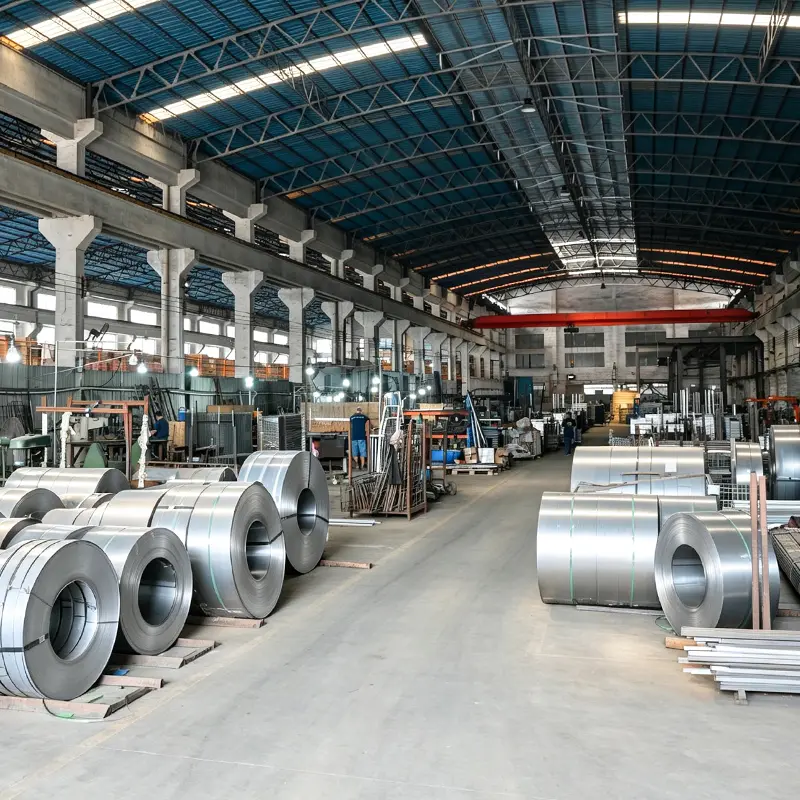
25+ Years Racking Heritage
Our engineering insights stem from delivering over 10,000 warehouse projects worldwide. Every beam connector, baseplate, and bracing profile is engineered to prevent deflection under sustained dynamic cyclic loads.
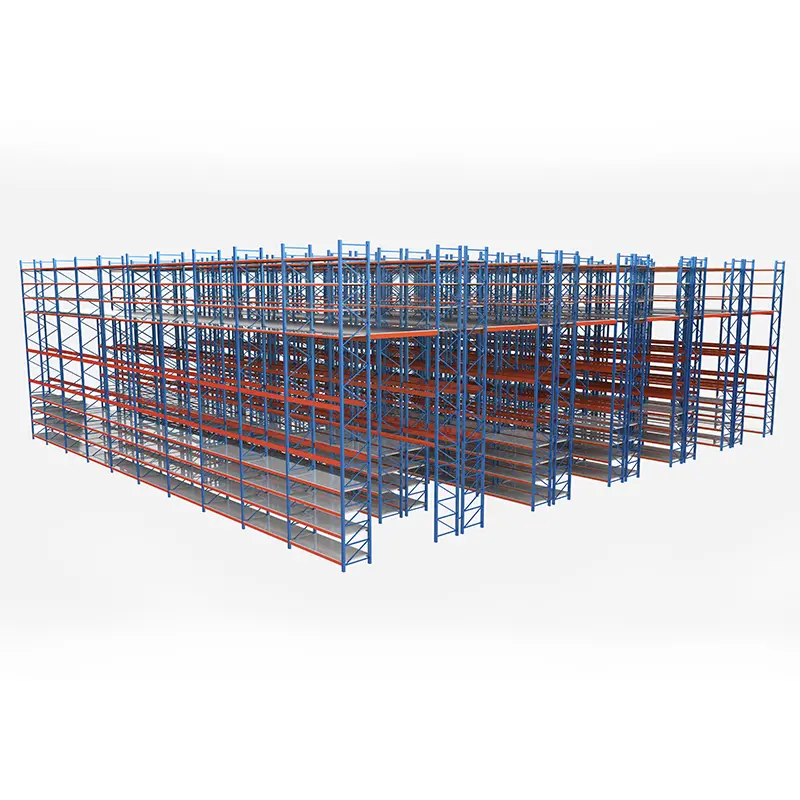
24-Hour CAD & 3D Calculations
We supply complimentary engineering plans, 3D stress calculations, clear height optimization models, and load charts presented in both imperial (lbs/ft) and metric units, simplifying local building permit reviews.
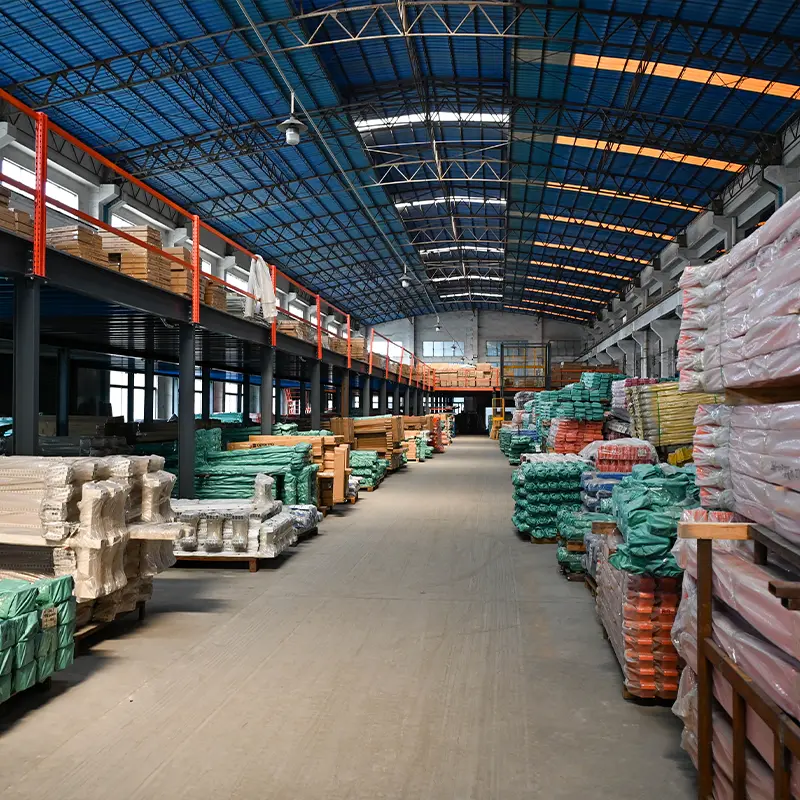
Certified Metallurgy & QC
We use certified high-strength steel (Q235B / Q355B). Automated punching, cold roll-forming, pickling, and electrostatic powder coating deliver durable finishes resistant to flaking, scratching, and humidity.
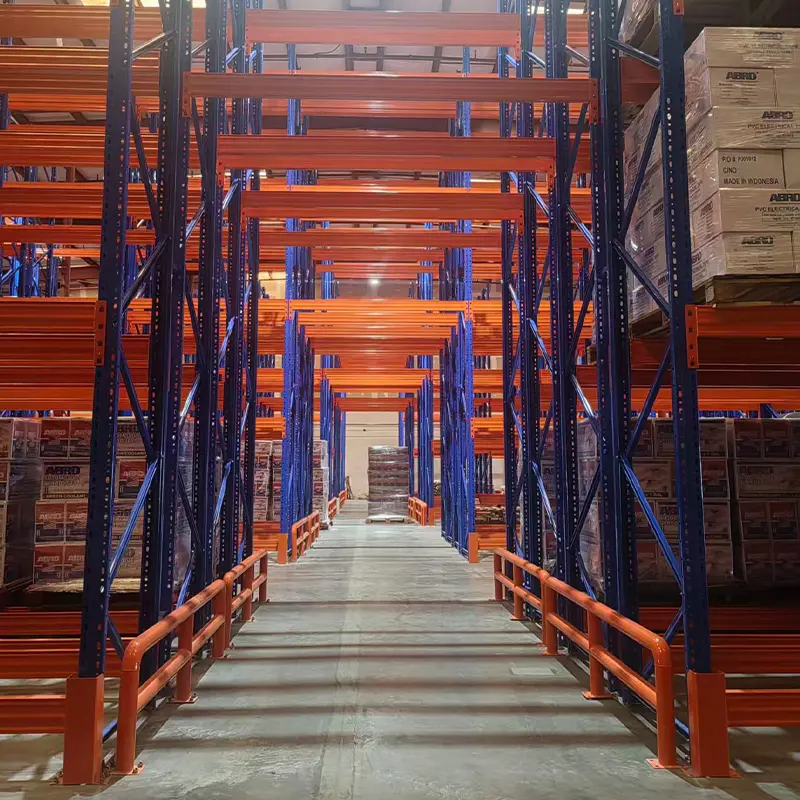
Turnkey Container Logistics
Modular components are bundled and palletized specifically for 20ft and 40ft ocean container shipping, preventing transit scuffs and simplifying rapid offloading at major North American and global ports.
Procurement Knowledge Base
Frequently Asked Questions on Gravity Pallet Racking
Essential structural and mechanical clarifications for warehouse managers and logistics planning directors.
What is the optimal floor slope angle required for gravity pallet flow racking?
Gravity pallet flow lanes do not rely on floor inclination; instead, the racking frames themselves are engineered with sloped shelf levels. The standard gradient is between 2.5% and 3.5% (approx. 1.5° to 2°), or about 3/8" per foot of run. Softer plastic pallets, light goods, or wire mesh cages may require up to 4%, whereas heavy, dense pallets (exceeding 1,000 kg) perform reliably at 2.5% when equipped with centrifugal speed controllers.
How do braking rollers work to prevent load acceleration in deep lanes?
In lanes exceeding 3 to 4 pallets deep, gravity naturally accelerates rolling loads. Centrifugal brake rollers use internal mechanical gears and weighted shoes: as roller RPM increases, centrifugal force expands internal friction pads against the casing. This dynamically limits pallet speed to an OSHA-safe walking pace (below 0.3 m/s) regardless of total pallet weight.
Can gravity flow racks accommodate damaged or non-standard wooden pallets?
Gravity flow systems perform best with intact 2-way or 4-way entry wood pallets (such as 48"x40" GMA or Euro pallets) with undamaged bottom boards aligned in the direction of flow. Broken, cracked, or severely deflected boards can jam against rollers. For mixed or low-grade skids, full-width steel rollers, multi-lane staggered skatewheels, or captive slave pallets are recommended to ensure smooth transit.
What is the structural difference between Pallet Flow (FIFO) and Push-Back (LIFO) racking?
Pallet Flow is a true First-In, First-Out (FIFO) dynamic system requiring separate loading (rear) and picking (front) aisles. Pallets travel the entire lane length along continuous roller tracks. Push-Back racking is a Last-In, First-Out (LIFO) system utilizing single-aisle access: forklifts use incoming pallets to push back existing loads nestled on inclined structural wheeled carts (typically 2 to 6 pallets deep). Pallet Flow handles higher SKU rotation throughput, whereas Push-Back maximizes wall-boundary storage space.
Do imported pallet racking systems meet North American RMI and seismic standards?
Yes. Our structural calculations use certified high-tensile Q235B and Q355B cold-rolled steel profiles engineered to exceed the design parameters of RMI (Rack Manufacturers Institute) ANSI MH16.1, Canadian CSA S16, and the International Building Code (IBC). We supply complete structural calculations, shop drawings, and baseplate anchoring specifications ready for review and stamping by your local Professional Engineer (P.E. / SE).
How are gravity racking components protected during transoceanic shipping?
Every shipment undergoes container-optimized palletizing. Beams and uprights are bundled with corrugated corner protectors, steel strap tensioners, and humidity-shielding stretch wrap. Roller beds and delicate mechanical brake units are crated in plywood boxes with desiccant packs to prevent marine corrosion during ocean transit.