Precision Modular Systems for Small & High-Density Facilities
Explore our certified cold-rolled steel racking configurations engineered specifically to overcome floor space constraints, high SKU variety, and stringent load requirements.
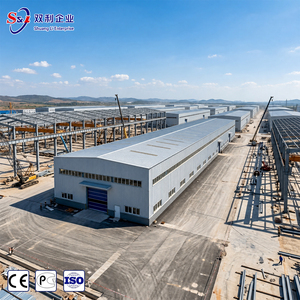
- Doubles usable vertical cubic capacity
- Integrated structural safety stairways
- Load capacity: 300 - 1,000 kg/m²
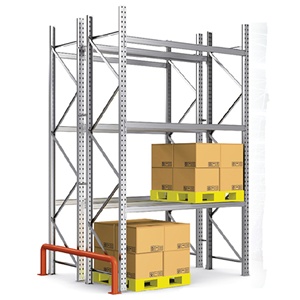
- Locks back-to-back rack stability
- Maintains NFPA longitudinal flue spaces
- High-tensile zinc or powder-coated steel
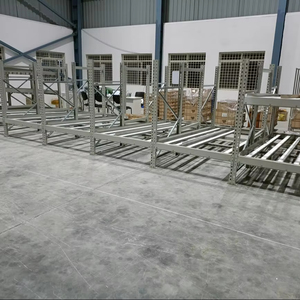
- Autonomous gravity roller acceleration
- Strict First-In, First-Out rotation cycle
- Reduces internal transit aisles by 60%
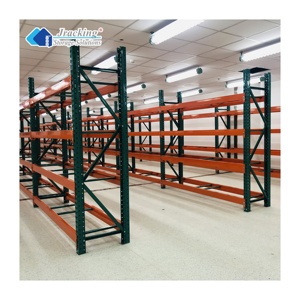
- Universal boltless teardrop connectivity
- 2-inch vertical pitch level adjustment
- Q235B cold rolled high-stress steel
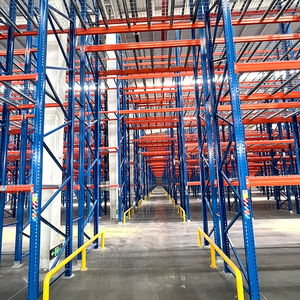
- Fully certified to EN 15512 safety codes
- Engineered for Euro & ISO pallet units
- Beam capacities up to 4,500 kg/tier
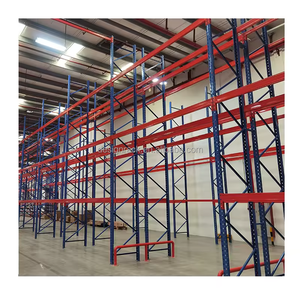
- Toolless beam adjustment mechanism
- Epoxy anti-abrasion electrostatic coating
- Ideal for small warehouse retail backrooms
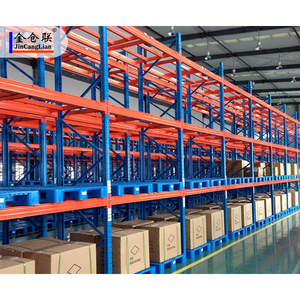
- Integrated parts bins and sliding trays
- Optimized for micro-part SKU fulfillment
- Reinforced cold-formed profile uprights
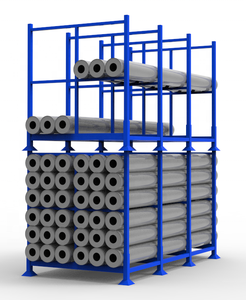
- Removable vertical retaining posts
- Stackable 4-5 layers high when loaded
- Collapsible footprint when empty
Engineering Space Efficiency: Small Warehouse Racking Solutions
A comprehensive technical evaluation for logistics directors, procurement specialists, and warehouse managers scaling small-footprint storage operations.
In modern industrial logistics, commercial real estate lease rates across North American and European logistics corridors have escalated significantly over recent quarters. As a direct consequence, distribution managers operating small warehouses (facilities ranging from 2,000 to 25,000 square feet) face the complex challenge of managing growing SKU counts within fixed structural footprints. Optimizing a compact warehouse is fundamentally different from outfitting a 500,000 sq ft regional distribution center. In smaller facilities, every millimeter of clear height, aisle turning radius, and column pitch directly impacts throughput speed, SKU selectivity, and operational overhead.
The Core Engineering Metric: Small warehouse success relies on maximizing Volumetric Cube Utilization (VCU) rather than simple square footage coverage. Our OEM/ODM racking lines allow small warehouse operators to recover up to 85% of dormant overhead cube space while maintaining compliant flue dimensions and egress safety.
1. System Architecture: Matching Configuration to Facility Constraints
Selecting the optimal small warehouse racking architecture requires a rigorous trade-off analysis between Selectivity (the percentage of directly accessible pallets without shuffling) and Storage Density (the number of pallet positions accommodated within the spatial footprint). Below are the four predominant structural configurations engineered by our OEM/ODM design division:
Selective Teardrop Racking
Selectivity: 100% | Density: Moderate
The gold standard for high-SKU, low-pallet-per-SKU small facilities. Fully compatible with North American teardrop profiles, standard counterbalanced forklifts, and walkie stackers.
Gravity Pallet Flow (FIFO)
Selectivity: Lane End | Density: High
Engineered on inclined roller tracks. Dedicated loading aisles at the rear and retrieval aisles at the front guarantee strict date-rotation for perishable inventory, pharmaceuticals, and fast-turn stock.
Rack-Supported Mezzanines
Selectivity: High | Density: Maximum Cube
Capitalizes on buildings with vertical clearance greater than 16 feet. Heavy-duty structural rack frames serve as structural columns supporting elevated decking for multi-tier picking aisles.
| Racking Architecture | Pallet Selectivity | Space Density | Inventory Flow | Optimal Small Facility Use-Case |
|---|---|---|---|---|
| Selective Teardrop | 100% Instant Pick | Baseline (40-50%) | FMCG / FIFO / LIFO | E-commerce DCs, 3PL buffer zones, replacement parts |
| Push-Back Carts (2-4 Deep) | 25-50% Face Access | High (Up to +75%) | LIFO (Last-In, First-Out) | Medium batch sizes, cold storage locker space |
| Gravity Pallet Flow | Lane Face Only | Ultra-High (Up to +85%) | Strict FIFO | Perishable food, chemical lots with shelf-life limits |
| Rack-Supported Multi-Tier | 100% Hand-Cart Pick | Maximum Vertical Cube | Any Manual Flow | Apparel, hardware fasteners, automotive spare parts |
2. Future Procurement Trends: What Global B2B Buyers Must Prepare For
The procurement of industrial warehouse systems has shifted from commoditized steel transactions toward strategic, lifecycle-optimized engineering packages. Buyers sourcing OEM/ODM racking for small warehousing spaces should anticipate three decisive market developments over the coming decade:
A. Micro-Fulfillment & Hyper-Local Distribution Hubs
With same-day and two-hour delivery expectations dominating urban markets, logistics networks are increasingly establishing decentralized micro-hubs within urban core boundaries. These facilities are characterized by narrow clearances, restricted floor slab load capacities, and non-standard architectural column layouts. Future procurement calls for highly adaptable, modular racking systems that can be reconfigured overnight, relocated with standard hand tools, and adjusted along a 50mm or 2-inch pitch without cutting or welding on-site.
B. Hybrid Automation & AMR (Autonomous Mobile Robot) Integration
Small warehouses are rapidly adopting collaborative mobile robotics. As compact AMRs and automated guided vehicles (AGVs) replace traditional 5,000-lb counterbalance sit-down forklifts, aisle tolerances are shrinking from 12-14 feet down to 5-7 feet (Very Narrow Aisle, VNA). Forward-looking racking specifications now require baseplate precision punching, high-tolerance column alignment, and the inclusion of floor-level reflective guidance stops and seismic anchor plates built into the standard OEM production run.
C. Decarbonization, Circular Steel & Eco-Finishes
Global green building standards (such as LEED and BREEAM) require verifiable low embodied carbon throughout supply chains. European and American enterprises are requiring third-party verified RoHS and environmental documentation from their manufacturing exporters. High-efficiency electrostatic thermoset powder coatings that emit zero volatile organic compounds (VOCs) and closed-loop acid pickling pretreatment have transitioned from luxury options to standard procurement criteria.
3. Technical Evolution: Metallurgy, Seismic Engineering & Surface Physics
The structural engineering behind cold-formed steel racking components has evolved dramatically through computational finite element analysis (FEA) and high-yield roll-forming technologies:
Advanced Cold-Formed High-Tensile Steel Profiles: Historically, manufacturers achieved required beam safety factors simply by increasing steel gauge thickness, which added shipping weight and material costs. Modern OEM production utilizes high-yield structural steel coils (Q235B and Q355B grades) rolled through 18 to 22 sequential automated forming stations. This introduces continuous longitudinal stiffening ribs and micro-return flanges along upright lips, resulting in up to 30% greater torsional resistance and load capacity while cutting dead structural dead-weight.
Seismic Resistance & Connection Moment-Frame Physics: In earthquake-prone zones across the Western United States, Latin America, and the Mediterranean, racking collapses pose catastrophic life-safety and financial risks. Contemporary engineering prioritizes the moment-rotation behavior of the beam-to-column connector. Our patented 3-tooth and 4-tooth forged connection brackets with automatic safety spring locks provide substantial rotational stiffness, effectively distributing lateral seismic shock waves throughout the entire frame lattice and dissipating dynamic load energy safely to the foundation slab.
Anti-Corrosive Nanotechnology & Multi-Stage Surface Chemistry: Before applying topcoat powder paint, structural members undergo automated 5-stage chemical pre-treatments: high-temperature alkaline degreasing, industrial acid pickling to eliminate mill scale, secondary rinses, and zinc-iron nanotech phosphating. This chemically bonds a microscopic crystalline matrix onto the bare steel, guaranteeing salt spray corrosion endurance exceeding 500 hours—essential for unconditioned industrial units, semi-open cross-dock facilities, and food-grade walk-in coolers.
Why International Importers Rely on HEDA Shelves
Over two decades of end-to-end industrial racking manufacturing, rigorous ISO 9001 compliance, and turn-key export logistics tailored for North American and global standards.
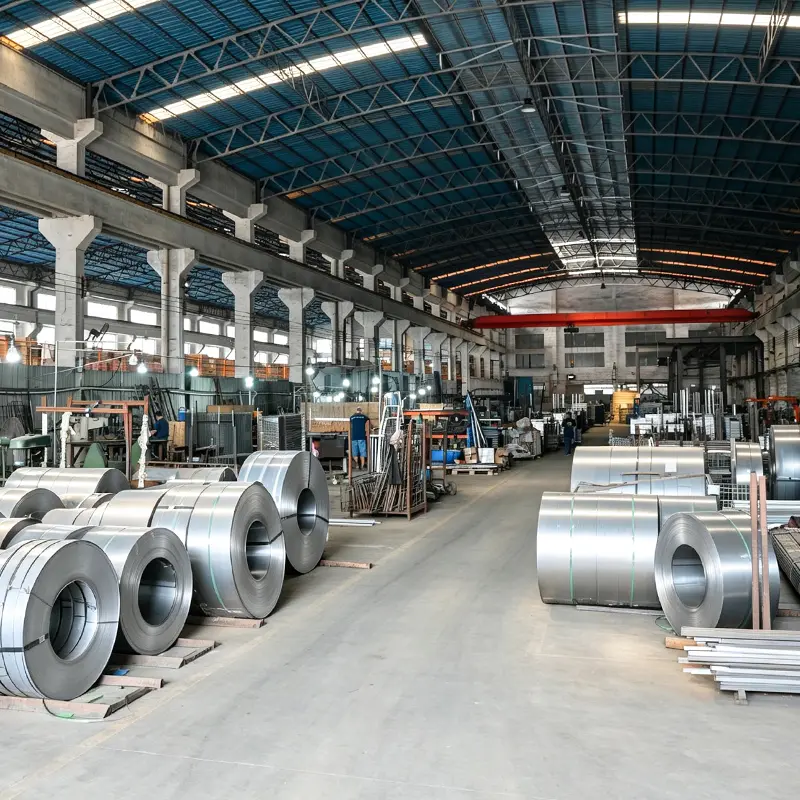
25+ Years Industrial Mastery
Founded in 2001, our engineering department brings institutional knowledge gained across 10,000+ completed installations worldwide.
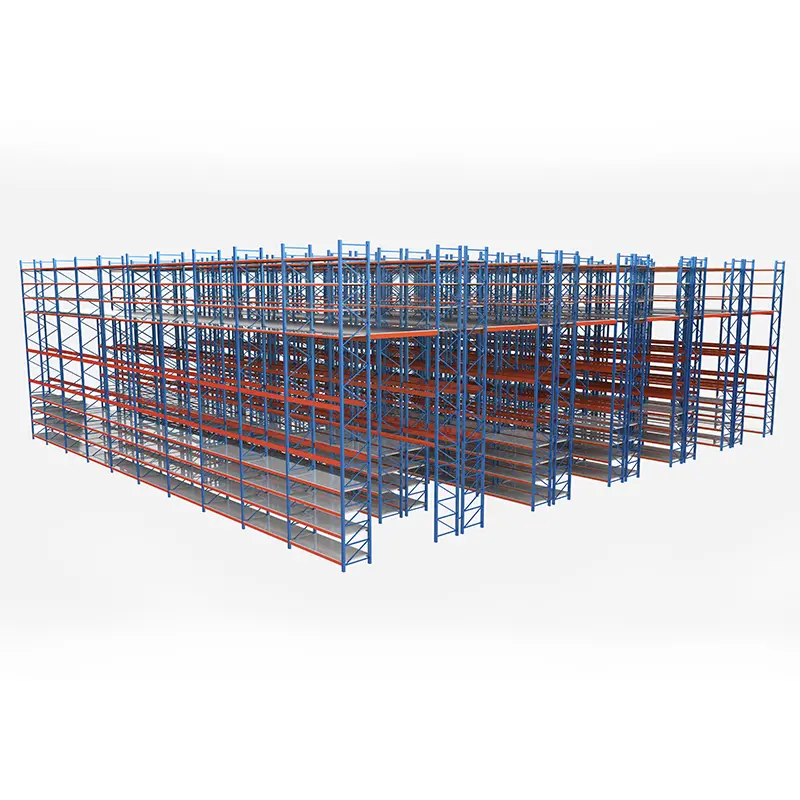
Free CAD & 3D in 24 Hours
Send your building dimensions and get complete AutoCAD engineering layouts, capacity calculations, and 3D elevations within 24 business hours.
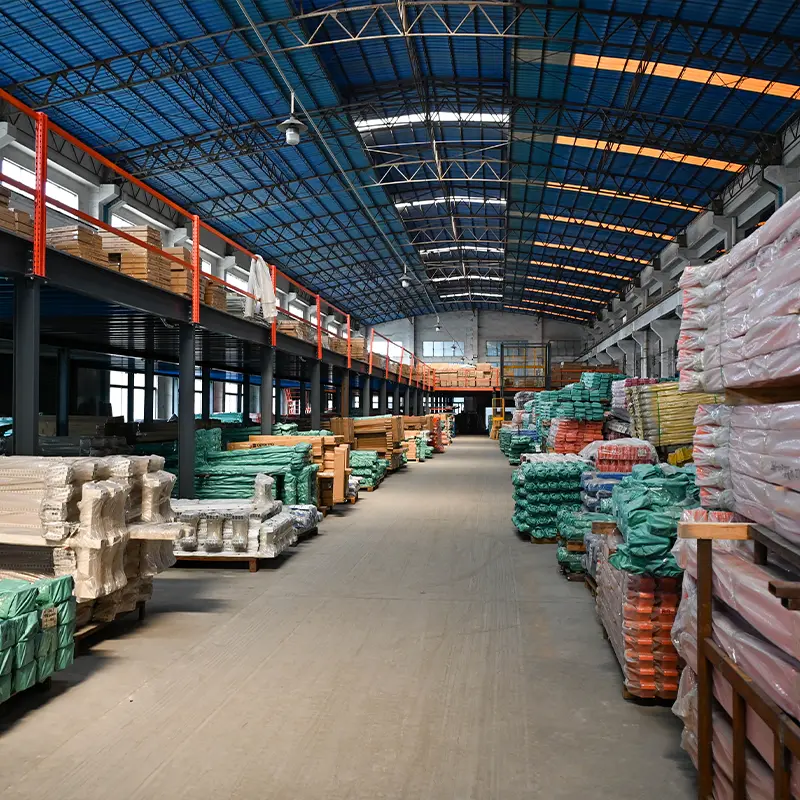
Certified Safety & Quality
Full compliance under ISO 9001:2015 management and CE structural marking (EN 15512), backed by batch-traceable steel mill certifications.
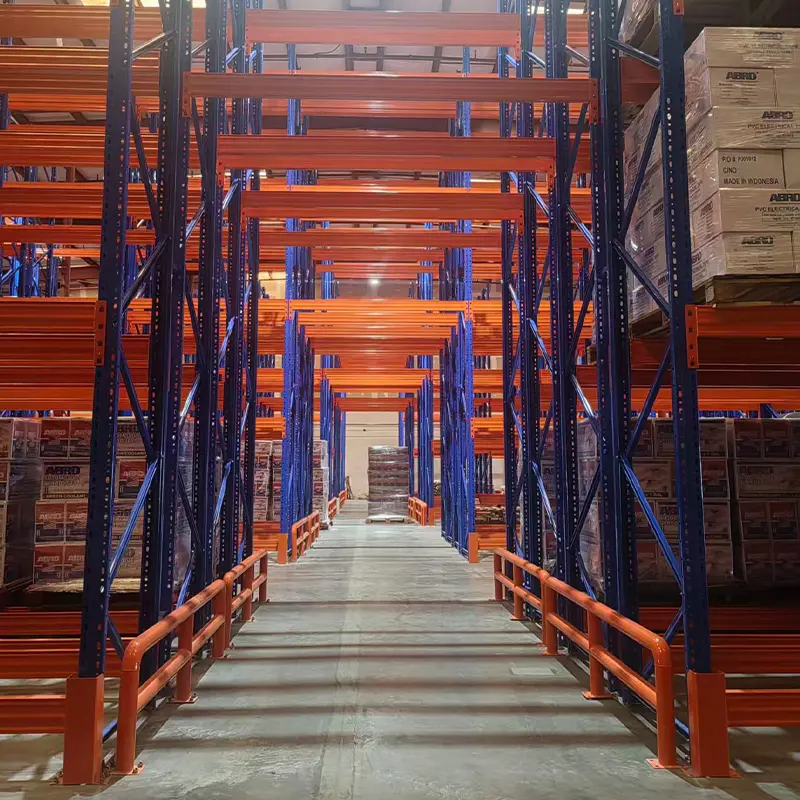
Turn-Key Export Packaging
Container-optimized bundle nesting eliminates transit scrape damage and ocean container dead-volume, cutting ocean freight costs per unit.
Frequently Asked Questions: Sourcing Small Warehouse Racking
Clear, direct engineering answers to the real technical, compliance, and logistical questions international buyers encounter during racking procurement.
What minimum information is required to generate an accurate CAD layout and price quote?
Can you provide drawings and load documentation in Imperial units (lbs, feet, inches)?
How does your OEM/ODM program support private-label distributors and material handling integrators?
What is the standard manufacturing lead-time and container shipping arrangement?
How do you guarantee load capacity and structural safety of exported steel frames?
Can a small warehouse rack system be expanded or relocated as our business scales?
Ready to Maximize Your Small Warehouse Storage Space?
Connect directly with our engineering department today. Submit your floor dimensions to receive a comprehensive CAD design, capacity assessment, and competitive factory-direct quote within 24 hours.