Engineered Warehouse Racking & High-Density Storage Solutions
Custom fabricated to international building codes with high-tensile structural steel, multi-tier load adaptability, and automated electrostatic powder coatings for heavy-duty commercial deployment.
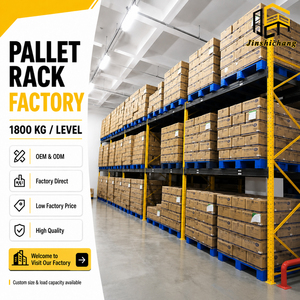 3000KG Rated
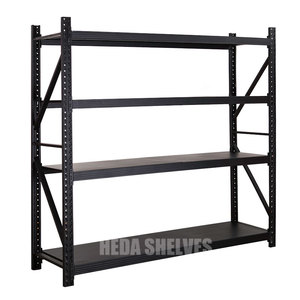 Medium Duty
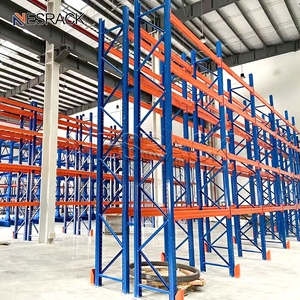
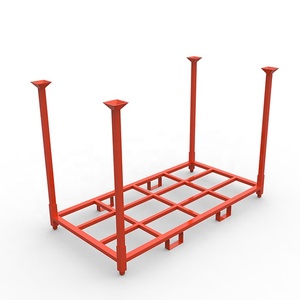 Logistics Cage
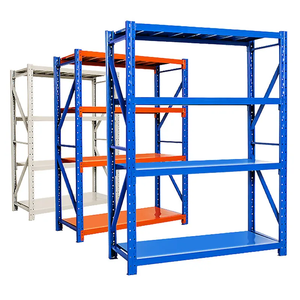 Adjustable Span
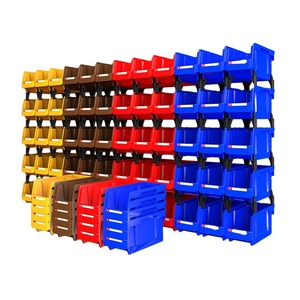 Parts Picking
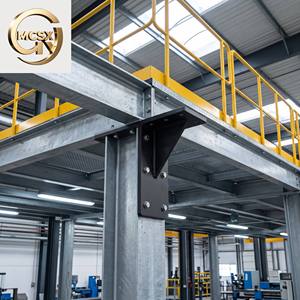 Custom Welded
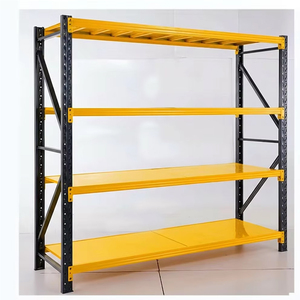
Engineering Dynamics of OEM/ODM Pick Flow Racking Systems
Understanding the physics of gravity-driven order picking, carton acceleration control, and structural pitch dynamics required to optimize high-velocity distribution centers.
Pitch Gradient & Incline Calibration
Pick flow (carton flow) racks rely on gravitational potential energy converted into controlled kinetic drift. An engineering pitch between 2.5% and 4.5% (approx. 5/16" to 1/2" per foot of run) is calibrated against carton bottom geometry, tote rigidness, and gross load weight to prevent hang-ups or high-impact collisions at the pick face.
Skate-Wheel vs. Full-Width Roller Beds
Our OEM manufacturing lines stamp galvanized steel and injection-mold engineering-grade polypropylene rollers. Skate-wheel tracks accommodate dynamic carton widths without track re-spacing, while full-width steel rollers with internal labyrinth seals deliver uninterrupted support for fragile corrugated containers, blister packaging, and wire baskets up to 100 lbs/ft.
Tilt Trays & Knuckle End Approvals
Pick velocity depends on operator wrist ergonomics and direct visual line-of-sight. HEDA engineers custom drop-in knuckle trays (bent front presentation beds) with adjustable angles from 0° to 20°. This layout isolates each picking carton from rear accumulation pressure, reducing musculoskeletal strain while accelerating pick-line rates to 300+ picks/operator/hour.
Future Procurement Trends in Industrial Pick Flow Infrastructure
As omni-channel distribution scales, supply chain directors and system integrators face rapid operational changes. Discover how next-generation pick flow racks are engineered for modern workflows.
AMR & AGV Induction Readiness
Dynamic pick flow racks are transitioning from manual hand-loading to autonomous mobile robot (AMR) interface lanes. Modern systems specify standardized rear charge heights and impact-resistant funnels to enable automatic guided vehicles to drop replenish totes without human intervention.
Multi-Tier Pick Tower Modules
Real estate scarcity demands vertical volume maximization. Structural rack-supported pick towers combining carton flow ground floors, mezzanine walkways, overhead pallet replenishment, and integrated trash conveyor lines represent 60% of modern multi-SKU retail fulfillment investments.
Pick-to-Light & Sensor Brackets
Modern OEM specifications incorporate pre-punched extrusion profiles, integrated cable management conduits, and universal optical bracket mounts. This enables plug-and-play installation of digital pick-to-light (PTL) LED modules and infrared SKU depletion monitoring without field drilling.
Thermal & Cold-Storage Optimization
E-grocery and pharmaceutical cold stores require high-density gravity flow that maintains kinetic responsiveness down to -30°C (-22°F). Specialized low-viscosity bearing greases and anti-embrittlement engineered polymers ensure gravity lines never seize inside deep-freeze facilities.
Carton Flow vs. Alternative Dynamic Storage Systems
Compare performance parameters across high-velocity storage systems to select the optimal solution for your distribution footprint, SKU velocity, and capital expenditure targets.
| System Classification | Primary Handling Unit | Inventory Rotation | Storage Density | Pick Face Access | Aisle Requirement | Typical ROI Horizon |
|---|---|---|---|---|---|---|
| Carton Pick Flow Rack | Cartons, Totes, Split-Case | Strict FIFO (100%) | Ultra-High (Up to 90% floor use) | Dedicated pick & load faces | Split picking & loading aisles | 6 – 14 Months |
| Selective Pallet Racking | Unitized Wooden/Plastic Pallets | Arbitrary / LIFO / FIFO | Moderate (Large aisle ratio) | 100% Immediate Selectivity | Wide or Narrow forklift aisles | 18 – 36 Months |
| Gravity Pallet Flow (Heavy) | Heavy Palletized Loads (3000KG) | Strict FIFO (Gravity roller) | Extreme (Deep lane up to 20 deep) | Single pallet pick face | Loading lane & unloading aisle | 12 – 24 Months |
| Push Back Racking | Pallets on Telescopic Carts | Strict LIFO (Last-in, First-out) | High (2 to 6 pallets deep) | Single loading/picking aisle | Single operational aisle | 14 – 28 Months |
| Static Industrial Shelving | Manual Small Parts & Bins | Manual Handling Required | Low (Manual access paths needed) | Frontal manual reach only | Multiple manual service aisles | 24 – 48 Months |
Our 10-Step In-House Precision Manufacturing Pipeline
Every upright column, step beam, roller track, and brake component is fabricated under strict ISO 9001:2015 certified process control inside our 323,000 sq ft production campus.
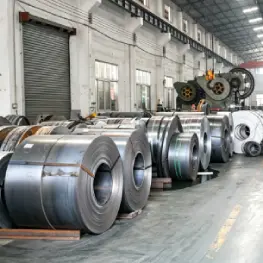 01
Certified Coils
Mill-tested Q235B structural coil verified for tensile threshold.
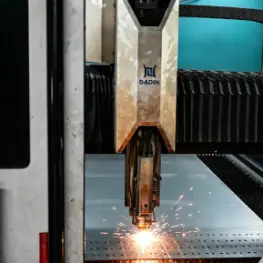 02
Precision Slitting
Automated uncoiling & micro-tolerance strip shearing.
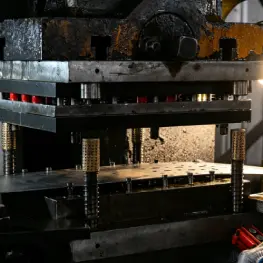 03
CNC Punching
High-speed continuous pitch hole punching (±0.1mm).
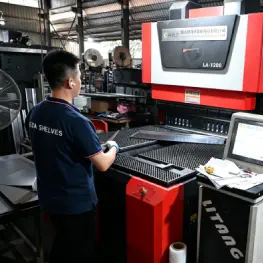 04
Cold Bending
Progressive roll forming strengthening grain flow boundaries.
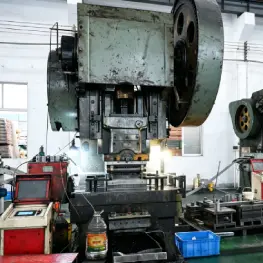 05
Profile Forming
Precision closed step beams and heavy flow bed tracks.
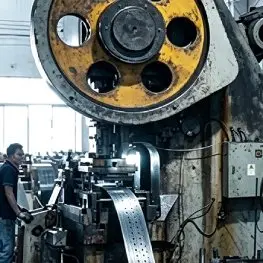 06
Auto Deburring
Laser and abrasive dressing ensuring clean operator contact.
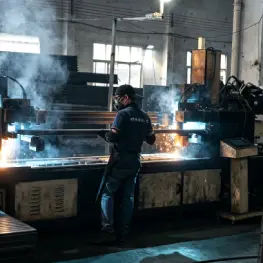 07
Robotic Welding
Inert gas shielded structural robotic welding of end brackets.
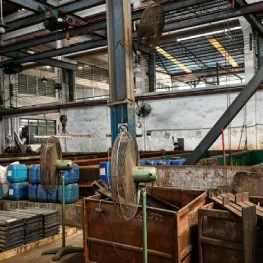 08
Surface Acid Bath
Multi-stage ultrasonic pickling and iron phosphating wash.
 09
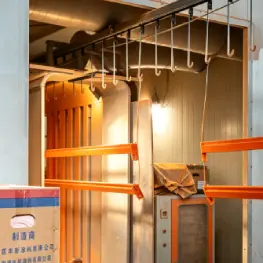
Epoxy Coating
80-120μm electrostatic powder coat cured at 200°C.
 10
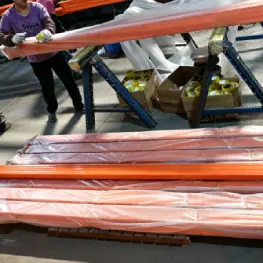
QA & Pack
Container load optimization with wrapped steel bandings.
Why Global Supply Chain Leaders Partner with HEDA Shelves
Founded in 2001 in Guangzhou, China, Guangzhou Heda Shelves Co., Ltd. has grown from a specialized metal fabrication workshop to an international engineering benchmark in warehouse storage solutions. Operating out of a massive 30,000 m² (323,000 sq ft) manufacturing facility with over 300 experienced engineers, technicians, and QA specialists, we ship custom-engineered storage systems worldwide.
Whether you are an industrial distributor requiring branded private-label OEM carton flow lanes or an engineering contractor constructing a high-bay distribution center in North America or Europe, HEDA delivers factory-direct cost efficiency with certified structural reliability.
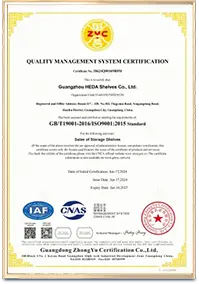
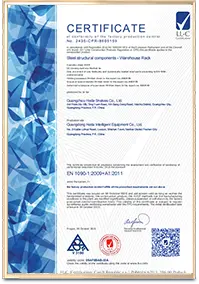 ISO 9001:2015 Registered
Cert # 18624Q00169R0M
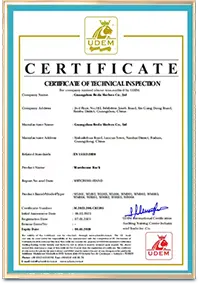 CE Certified (EU Compliance)
Doc # 2435-CPR-8605159
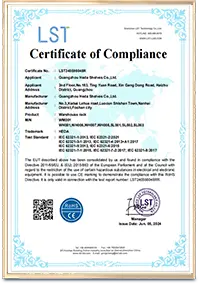 RoHS Compliant
Eco-Friendly Non-Toxic Finishes
 Physical Deflection Verified
Third-Party Static Load Audit
Frequently Asked Questions on Pick Flow Racks
Technical guidance, dimensional planning, and regulatory considerations for warehouse logistics managers, systems integrators, and OEM procurement directors.
1. How is the optimal flow bed pitch calculated for varying carton and tote weights?
2. What are the engineering criteria between skate-wheel beds vs. full-width roller tracks in OEM carton flow?
3. Can HEDA OEM/ODM pick flow tracks be retrofitted onto existing third-party pallet racking systems?
4. How do you ensure structural compliance with North American RMI (ANSI MH16.1) and European EN 15512 codes?
5. What are the packaging methods and container optimization metrics for export logistics?
6. What are the recommended maintenance cycles for high-throughput carton flow pick lanes?
Ready to Accelerate Your Warehouse Picking Velocity?
Send your warehouse layout, carton specifications, or bill of materials today. Our senior structural engineers deliver customized CAD drawings, 3D renderings, and transparent FOB/CIF factory quotation packages within 24 hours.