High-Efficiency Warehouse Racking & Material Handling Systems
Explore our core engineering-grade product line. Designed for heavy payload endurance, modular expandability, and seamless warehouse automation compatibility.
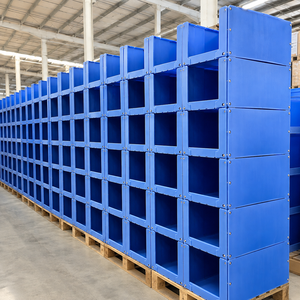
Ultra-lightweight, durable polypropylene stackable bins engineered for modular shelf installations, fast visual picking, and industrial component separation.
- PP Corrugated Body
- Front Hopper Access
- Moisture Resistant
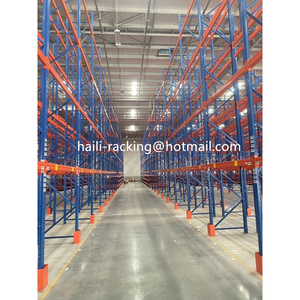
High-capacity structural mobile shelving systems with motorized or mechanical assist track integration, maximizing floor space utilization by 80%.
- CE / TUV / ISO Tested
- 500–9000kg Rating
- Floor Rail Guided
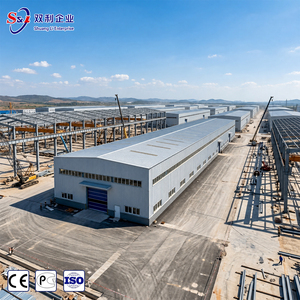
Multi-tier structural racking mezzanine combining ground-level high-density pallet positions with walkable mezzanine decks and integrated staircase egress.
- Multi-Tier Walkway
- Engineered Stairs
- High Clear-Height
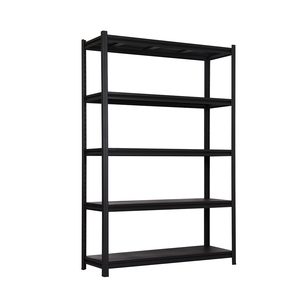
Electro-galvanized and chrome-plated welded wire decking shelves designed for sprinkler pass-through fire compliance (NFPA 13) and optimal load visibility.
- Fire Safe Mesh
- Corrosion Proof
- Adjustable Grooves
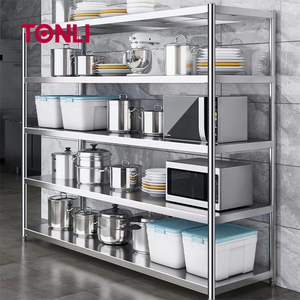
AISI 304/201 stainless steel heavy-duty shelving frameworks built for strict sanitation environments, commercial cold storage freezers, and clean rooms.
- AISI 304 Stainless
- 300kg/m Uniform Load
- Micro-Leveling Legs
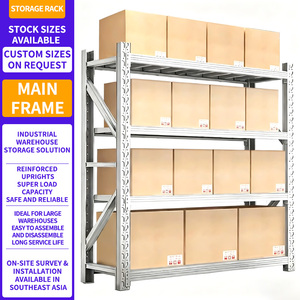
The industrial benchmark for 100% pallet selectivity. Cold-rolled Q235B box beams with 50mm/75mm height pitch adjustment and 3-hook connector brackets.
- 100% Pallet Access
- 50/75mm Pitch Hole
- Powder Coated
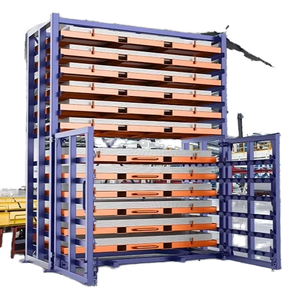
High-density LIFO storage system engineered without intermediate picking aisles. Forklifts drive into deep lanes directly, minimizing cubic refrigeration loss.
- 75% Less Aisle Space
- Cold Storage Rated
- Heavy Guide Rails
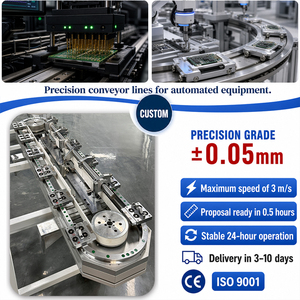
Automated assembly transfer conveyor tables, precision-machined for electronic final assembly test and pack lines with synchronized pneumatic positioning.
- 0–150kg Payload
- PLC Compatible
- Turnkey Assembly
Guangzhou HEDA Shelves: Engineered Reliability Since 2001
Operating one of Southern China's premier automated steel cold-forming campuses, HEDA Shelves bridges technical engineering rigor with high-volume industrial export production.
Verified Compliance & Certifications
Strict structural adherence to ISO 9001:2015 (Cert No. 18624Q00169R0M), CE Marking (2435-CPR-8605159), RoHS chemical compliance, and RMI (Rack Manufacturers Institute) standard parameters for US project submittals.
Free 24-Hour CAD & 3D Calculations
Our 30+ full-time structural engineering department issues imperial (lbs/ft/in) and metric calculation packages, finite element analysis (FEA), and building seismic zone load certifications within 24 hours.
End-to-End OEM / ODM Customization
From custom beam roll dies, proprietary teardrop or slotted hole punches, bespoke powder colors (RAL standards), to private labeling packaging, we empower dealers and integrators with full turnkey production.
Technical Anatomy of Heavy-Duty Pallet Racking Systems
In modern high-throughput fulfillment centers and 3PL distribution networks, pallet racking is not merely static steel shelving; it is an active structural envelope subject to multi-directional static stresses, dynamic forklift loading impacts, harmonic building vibration, and severe seismic accelerations. Sourcing from a certified OEM/ODM factory requires a comprehensive technical audit of the raw metallurgy, column perforation geometry, beam connector kinematics, and chemical surface passivation.
At HEDA Shelves, primary upright upright profiles are roll-formed from premium certified cold-rolled structural steel coils (grades Q235B through Q355B, corresponding to ASTM A36 and ASTM A1011 structural high-strength steel). The cold roll-forming process introduces controlled strain hardening along the profile's omega ribs, increasing section modulus and torsional rigidity without incurring brittle failure risks.
Engineering Benchmark: Deflection criteria across all HEDA beam configurations conform strictly to L/200 under maximal rated static live load, guaranteeing that under full payload deflection, automated reach trucks and forklift masts maintain standard vertical clearance tolerances without striking adjacent beam levels.
Chemical Pre-Treatment and Electrostatic Thermoset Powder Finishing
Corrosion degradation remains the primary failure mode for racking systems installed in refrigerated freezer vaults (-30°C), agricultural fertilizer hubs, and coastal marine distribution zones. Unlike lower-tier manufacturers that apply paint over unwashed oily steel, our automated finishing line incorporates an industrial 10-step continuous pre-treatment system:
- High-pressure alkaline degreasing to purge all mill rolling lubricants.
- Dual cascade deionized water rinse cycles to prevent alkaline carryover.
- Acidic pickling rust removal for oxide scale breakdown.
- Micro-crystalline zinc phosphating conversion coating to establish microscopic mechanical anchor keys.
- Demineralized thermal passivation seal.
- Convection moisture dry-off oven at 140°C.
- Automated reciprocating electrostatic powder spray application (60–90 microns film thickness).
- Cross-linking curing bake cycle at 180°C–200°C for 25 minutes, creating a non-porous, impact-resistant epoxy-polyester armor.
Comparative Engineering Matrix: Selecting the Optimum Racking Architecture
To assist warehouse operations directors and procurement managers in specifying the appropriate OEM racking setup, the following matrix compares the structural characteristics, pallet accessibility, and density performance across core industrial architectures:
| Racking Architecture | Pallet Selectivity | Volumetric Density | Inventory Flow | Forklift Equipment Fit | Seismic Resistance |
|---|---|---|---|---|---|
| Selective Pallet Racking | 100% Direct | Standard | FIFO / LIFO Flexible | Standard Counterbalance, Reach Truck | High (Low Aspect Ratio) |
| Double Deep Racking | 50% Immediate | Moderate (+30%) | LIFO System | Pantograph Double-Reach Truck | High (Tied Back-to-Back) |
| Drive-In / Drive-Through | Low (<15%) | Ultra-High (+75%) | LIFO (Drive-In) / FIFO (Through) | Narrow Chassis Counterbalance | Requires Stiff Top/Back X-Bracing |
| Push Back Racking (Nested Carts) | Per-Lane Selective | High (2-6 Deep) | LIFO Gravity Return | Standard Counterbalance / Reach | Very High (Nested Gravity Rail) |
| Pallet Flow (Gravity Roller Beds) | Pick-Face Dedicated | Ultra-High (Dynamic) | Strict FIFO Flow | Separate Load & Retrieval Trucks | High (Full Frame Structural Tying) |
| Four-Way Radio Shuttle System | High (Automated) | Maximum Volumetric | FIFO & LIFO Programmed | Lift Truck at Aisle Face Only | Maximum (Continuous Run Guide Rail) |
| Rack-Supported Mezzanine Floor | 100% Hand Pick | Vertical Expansion | Omni-Channel Picking | Ground Pallet + Upper Floor Carts | Engineered Column Shear Splices |
Emerging Procurement Trends Shaping Industrial Warehousing (2025–2030)
Warehouse logistics is navigating a structural transition. Facility operators are shifting from generic component purchasing toward highly integrated, data-validated, and sustainable OEM systems.
1. Automation-Ready Racking Tolerances
As Automated Guided Vehicles (AGVs) and Autonomous Mobile Robots (AMRs) replace manual forklifts, dimensional tolerances for OEM racking drop from traditional manual clearances (±5mm) to precision thresholds (<±1.5mm). Base plate levelness, upright verticality, and beam deflection must interface seamlessly with optical sensors, LiDAR navigation, and automated shuttle wheels without manual intervention.
2. Decarbonized Steel & Scope 3 Traceability
Global enterprises and institutional 3PLs increasingly demand environmental product declarations (EPDs) and carbon intensity metrics for procured steel. OEM suppliers utilizing energy-efficient scrap-recycled Electric Arc Furnaces (EAF) and closed-loop powder recovery filtration offer critical corporate ESG advantages over legacy coal-fired induction facilities.
3. Dynamic Flue Space & NFPA Fire Integration
Stricter warehouse insurance regulations enforce continuous vertical and horizontal flue spaces (typically 3 to 6 inches) to allow early fire sprinkler thermal plume penetration. Modern OEM engineering embeds welded wire mesh decks, snap-in pallet stop brackets, and integrated flanged dividers directly onto the beam profiles to eliminate fire hazard non-compliance citations.
Future Technological Evolutions: Smart Sensorized Racking & Advanced Metallurgy
The coming decade will see the transition from passive steel columns to active, sensorized structural monitoring platforms. HEDA's R&D engineering divisions are actively co-developing embedded Internet-of-Things (IoT) strain sensors, impact acoustic detectors, and wireless inclinometer collars clamped directly onto high-risk aisle end frames. Whenever an inattentive forklift driver causes micro-fissuring or exceeds structural displacement limits, real-time wireless alerts transmit instant structural health indices directly to facility maintenance dashboards.
Furthermore, micro-alloyed ultra-high-strength steel grades are reducing overall structural deadweight by 14% to 18% while sustaining identical pallet tonnages. This metallurgical optimization lowers ocean container shipping weights, drops inland freight fuel consumption, and expedites manual upright assembly on site.
Frequently Asked Questions: OEM/ODM Pallet Racking Procurement
Clear, engineering-backed answers addressing the most common concerns regarding load engineering, international shipping, seismic permits, and custom manufacturing.
How does HEDA ensure rack structural calculations comply with US & Canadian seismic codes?
What are the primary differences between roll-formed steel and structural C-channel racking?
Can you manufacture custom beam lengths compatible with standard North American 48" x 40" GMA pallets?
How are components packaged to prevent damage during long-distance ocean container shipping?
What is the standard production lead time for an OEM/ODM multi-container order?
What quality assurance testing and certifications are provided with each production heat?
Accelerate Your Warehouse Capacity with Direct OEM Engineering
Send your building dimensions, clear ceiling height, pallet load parameters, and handling vehicle specifications. Our certified engineering department will generate a complimentary 2D CAD spatial layout, 3D structural rendering, and comprehensive containerized freight proposal within 24 hours.