FIFO System
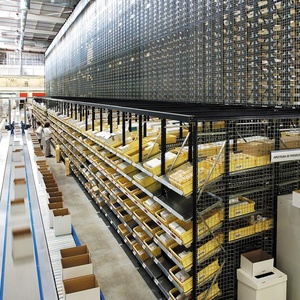
Engineered to exact project load tolerances using prime structural Q235B/Q355B cold-rolled steel, custom punched, powder-coated, and tested for industrial longevity.
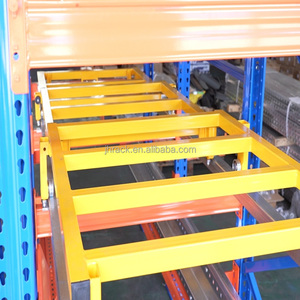
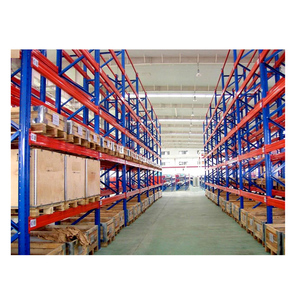
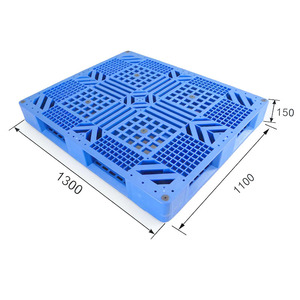
From custom profile rolling to certified structural engineering, HEDA delivers turnkey production efficiency backed by extensive testing facilities and international export validation.
Custom upright punch patterns (teardrop, hex, slot), tailored boxed-step beam profiles, and proprietary locking clips configured to your regional market standards.
Rapid engineering deliverables: full aisle clearance diagrams, floor slab loading projections, seismic cross-bracing schedules, and Imperial/Metric drawings.
Continuous automated roll forming, robotic seam welding, chemical pickling and phosphating, followed by thermoset epoxy electrostatic powder coating.
How supply chain dynamics, micro-fulfillment pressures, and automation-readiness are shifting custom OEM heavy-duty rack manufacturing standards.
Industrial warehousing is undergoing an aggressive structural transformation. The confluence of rising industrial real estate costs, labor pool constraints, and unpredictable SKU proliferation has forced logistics engineers, 3PL managers, and procurement specialists to demand far more from structural steel storage than basic vertical stocking. Sourcing from a tier-one custom OEM heavy duty rack factory requires navigating stringent structural codes, steel metallurgy standards, seismic zone resilience, and long-term automation integration.
The manufacturing blueprint for heavy-duty racking systems is pivoting rapidly toward hybrid automation support and increased structural resilience. Leading OEM factories are investing heavily in automated continuous cold-bending roll formers equipped with real-time laser gauging to maintain tight tolerances across column sections up to 120mm wide and thicknesses exceeding 3.0mm. Key engineering shifts include:
Racking tolerances are being pushed to aerospace precision (within ±1.5mm variation over 12-meter vertical spans) to ensure structural clearance for automated shuttle buggies, autonomous mobile robots (AMRs), and high-speed vertical cranes.
With high-profile installations across active seismic zones (such as coastal North America and the Pacific Rim), factories now engineer enlarged heavy-gauge baseplates, multi-anchor anchoring patterns, and ductile X-bracing to absorb lateral ground acceleration forces without catastrophic upright buckling.
Moving beyond standard industrial paints, OEM leaders deploy multi-stage electrostatic thermoset powder coatings and hot-dip continuous galvanization, delivering 1,000+ hours of salt-spray resistance for harsh environments, cold storage freezers (-30°C), and corrosive chemical handling facilities.
Purchasing directors and system integrators are moving away from intermediaries and establishing direct engineering dialogues with original equipment manufacturers. Strategic procurement trends over the next three to five years highlight several distinct operational shifts:
Factory Direct OEM Customization: Rather than forcing warehouse layouts to fit catalog-standard dimensions, buyers mandate customized beam clear spans (designed to fit exact 48×40 inch GMA pallets, Euro pallets, or non-standard industrial containers) and custom vertical frame depths to minimize wasted aisle clearances.
Container-Density Logistics Engineering: With sea freight rates representing a substantial fraction of landed component cost, tier-one manufacturers utilize computerized 3D container packing algorithms. By nesting upright frames, palletizing beams with custom wood dunnage, and pre-bundling hardware accessories, shipping volume is maximized, significantly driving down the landed cost per pallet position.
Digital Twin Documentation & Calculation Packages: Leading OEM factories no longer provide only physical components. Procurement mandates now include FEA (Finite Element Analysis) stress distribution reports, verified steel mill test certificates, and BIM/Revit compatible 3D model libraries that integrate directly into the client’s digital warehouse simulation tools.
To assist operations teams in evaluating which heavy-duty configuration aligns best with their throughput and volumetric targets, our engineering staff has compiled the comparative operational matrix below:
| Racking Topology | Pallet Selectivity | Volumetric Density | Inventory Flow | Target Industry & Application |
|---|---|---|---|---|
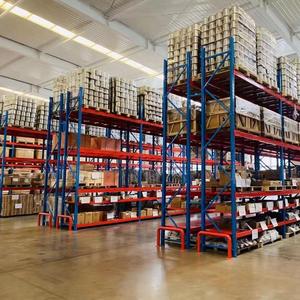
| Selective Pallet Racking | 100% Direct Access | Standard (40-50%) | FIFO / LIFO | 3PL Facilities, High-SKU E-commerce, Retail DCs |
| Push-Back Pallet Racking | First Pallet (2-6 Deep) | High (65-75%) | LIFO | Food Wholesalers, Frozen Storage, High-turnover CPG |
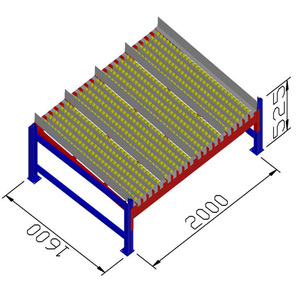
| Carton & Pallet Gravity Flow | Pick Face Only | Very High (75-85%) | Strict FIFO | Perishable Goods, Pharmaceuticals, Rapid Order Staging |
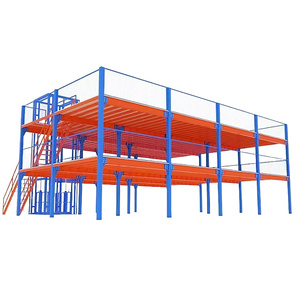
| Rack-Supported Mezzanines | Multi-Tier Picking | Maximum Vertical Use | Dynamic | Automotive Parts, E-commerce Each-Pick, Archive Storage |
| Drive-In / Drive-Through | Lane Dependent | Maximum Floor Density | LIFO (FIFO Drive-Thru) | Homogeneous Seasonal Inventory, Cold Storage Vaults |
Clear, technical, and transparent answers to the critical structural, shipping, and customization questions asked by global procurement professionals.
Whether you require standard 48x40 pallet positions, high-density push-back carts, or multi-level rack-supported mezzanine platforms, our engineering team is ready to analyze your floor plan and provide structural estimates within 24 hours.
Get Catalog