Featured Heavy-Duty Racking & Stack Rack Systems
Precision-engineered structural steel storage systems designed to maximize floor-to-ceiling volumetric footprint without permanent site anchors.
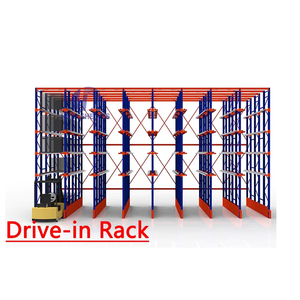
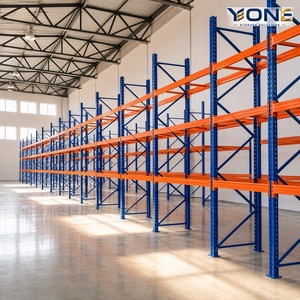
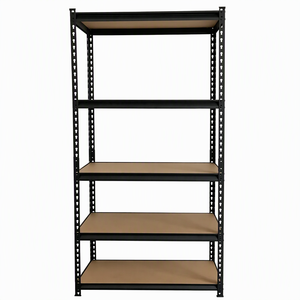
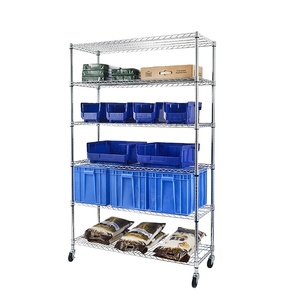
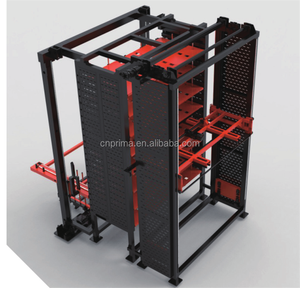
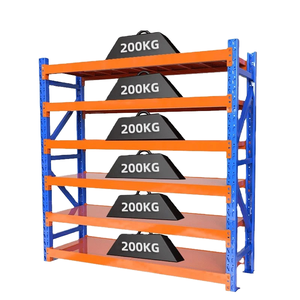
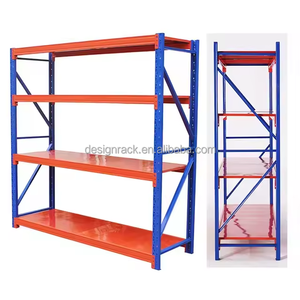
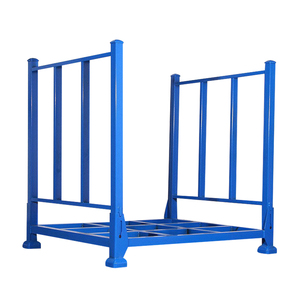
The Structural Mechanics and Engineering Superiority of China Stack Racks
In modern supply chain engineering, flexible density has surpassed rigid fixed infrastructure as a primary benchmark for warehouse return on investment. China best stack racks (frequently specified by warehouse operations as portable stacking racks, nestable post racks, or modular tier frames) represent an essential convergence of heavy structural capability and fluid layout reconfigurability. Unlike conventional static pallet racking systems that require fixed slab drilling, mechanical chemical anchors, and non-negotiable aisle dimensions, portable stack racks provide structural containment that transforms ordinary floor storage into vertical, multi-tiered inventory blocks.
Manufactured strictly with premium-grade certified Q235B and Q345B carbon structural steel, these systems utilize precision cold-rolled rectangular hollow sections (RHS) and heavy-gauge structural channel steel bases. The mechanical advantage lies within the precision-machined nested cup-and-cone interlocking interfaces. By distributing point loads from upper tiers symmetrically down through the vertical structural posts directly into the reinforced base frame, the system mitigates localized column buckling stresses. For international warehouse procurement teams managing automotive stampings, synthetic rubber bails, bulk agricultural bags, coiled wire, or heavy roll stock, stack racks solve the persistent problem of crushing lower-level non-stackable freight while achieving an efficient 4-to-6 tier vertical clearance profile.
Key Architectural Evolution & Future Development Trends
As global logistics ecosystems transition toward hyper-automated, data-driven smart fulfillment campuses, stack rack design and fabrication methodologies have undergone systematic technological advancements. Modern logistics no longer views the portable steel stack rack as merely a welded metal frame; it is an integrated, trackable asset engineered for multi-modal domestic handling and international freight interchange.
AGV & AMR Navigational Compatibility
Next-generation stack racks incorporate specialized guided entry skids, reinforced bottom alignment channels, and sub-millimeter manufacturing tolerances. This allows Autonomous Mobile Robots (AMRs) and automated narrow-aisle counterbalance tuggers to locate, lift, and stage multi-tier rack assemblies without manual operator intervention.
Foldable & High-Ratio Nesting Engineering
Rising multimodal freight rates have driven the adoption of extreme reverse-logistics nesting ratios. By engineering hinged vertical post assemblies and trapezoidal nesting perimeters, contemporary stack rack configurations achieve up to a 6:1 empty return space efficiency in 40ft High Cube sea shipping containers.
High-Performance Surface Chemistry
Moving far beyond simple single-pass solvent spray paint, Chinese industrial manufacturing now incorporates a rigorous ten-stage chemical pretreatment, including complete iron pickling, phosphating, and automated electrostatic powder coating or Hot-Dip Galvanization (HDG), delivering over 1,000 hours of continuous salt-spray corrosion resistance.
Strategic Global Procurement Trends for Industrial Enterprise Buyers
Industrial procurement directors across North America, Europe, and Australasia are fundamentally restructuring how warehouse steel storage is evaluated, purchased, and integrated. Driven by strict capital expenditure scrutiny, tariff realignments, and sustainability governance, several key operational patterns have surfaced:
1. Shift Toward Direct Tier-1 Factory Engagement: Intermediary sourcing companies and trading agents are increasingly bypassed in favor of direct collaboration with original manufacturing campuses. Engaging directly with established Chinese production facilities guarantees complete structural engineering traceability, raw material mill test certificates (MTCs), verifiable ISO 9001:2015 quality control oversight, and significant cost savings.
2. Stringent Seismic and Dynamic Verification: In regions governed by complex regional seismic activity (such as California IBC codes, Chilean seismic zones, or New Zealand building standards), international buyers demand finite element analysis (FEA) reports before steel cutting begins. Modern engineering practices ensure virtual verification of dynamic sway characteristics, lateral resistance, and weld junction shear safety under maximum rated dynamic forklift interactions.
3. Standardized Total Cost of Ownership (TCO) Metrics: Seasoned plant managers no longer evaluate racking systems solely on raw steel purchase price per kilogram. Holistic TCO metrics emphasize structural field longevity, resilience against repeated forklift tine impacts, interchangeability of structural posts, container cube volume optimization, and pallet cycle turnaround speeds.
Precision Factory Engineering & Global Advantage
Two decades of manufacturing excellence, certified compliance, and tailor-made warehouse engineering supporting enterprise logistics projects globally.
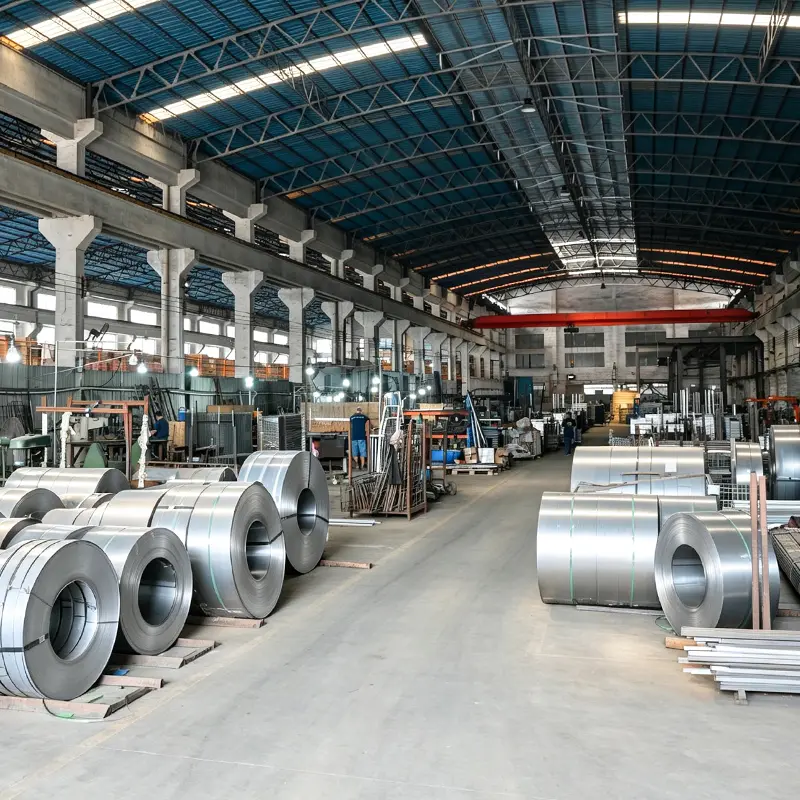
25+ Years Industry Heritage
Founded in 2001, drawing upon deep structural manufacturing insights from more than 10,000 worldwide warehouse racking and stack rack deployments.
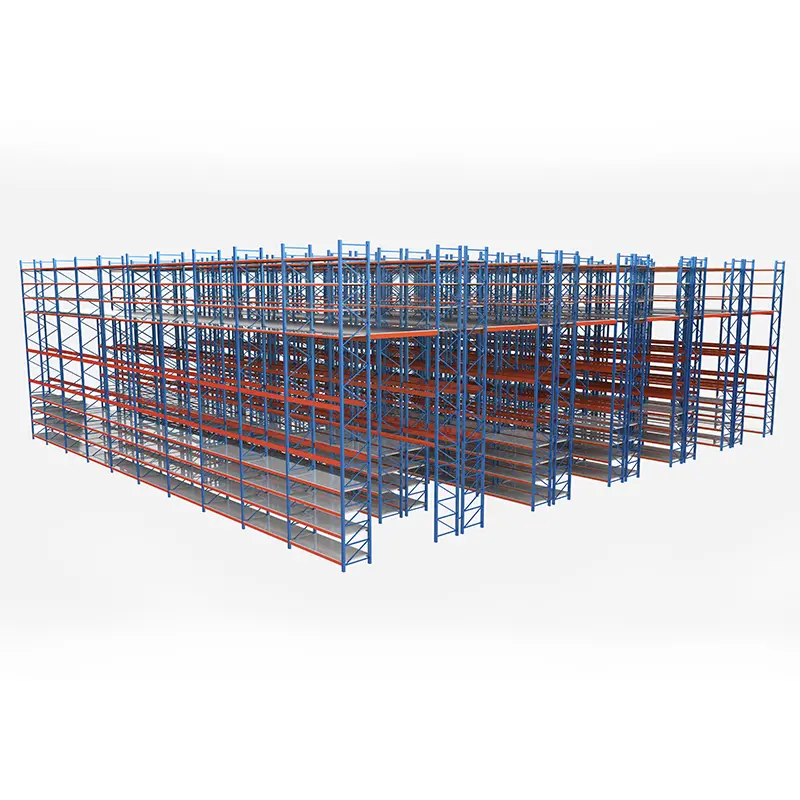
Free 24h Engineering CAD
Receive comprehensive site layout drawings, load capacity calculation charts in imperial or metric values, and 3D architectural models within 24 hours.
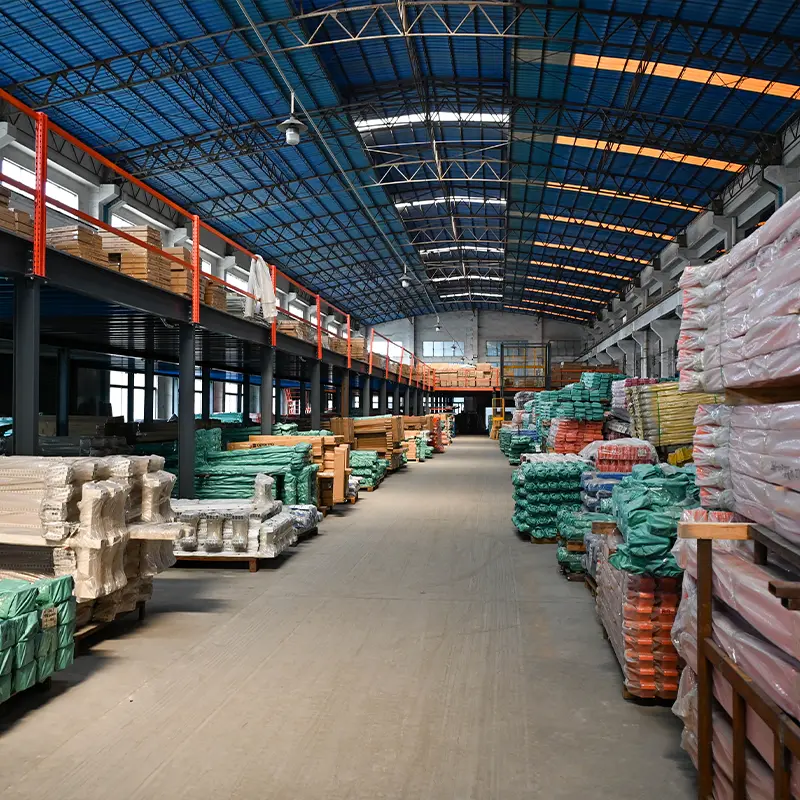
Certified Q235B Steel
Full international certification including ISO 9001:2015, CE European conformity, and RoHS material compliance validated across every production batch.
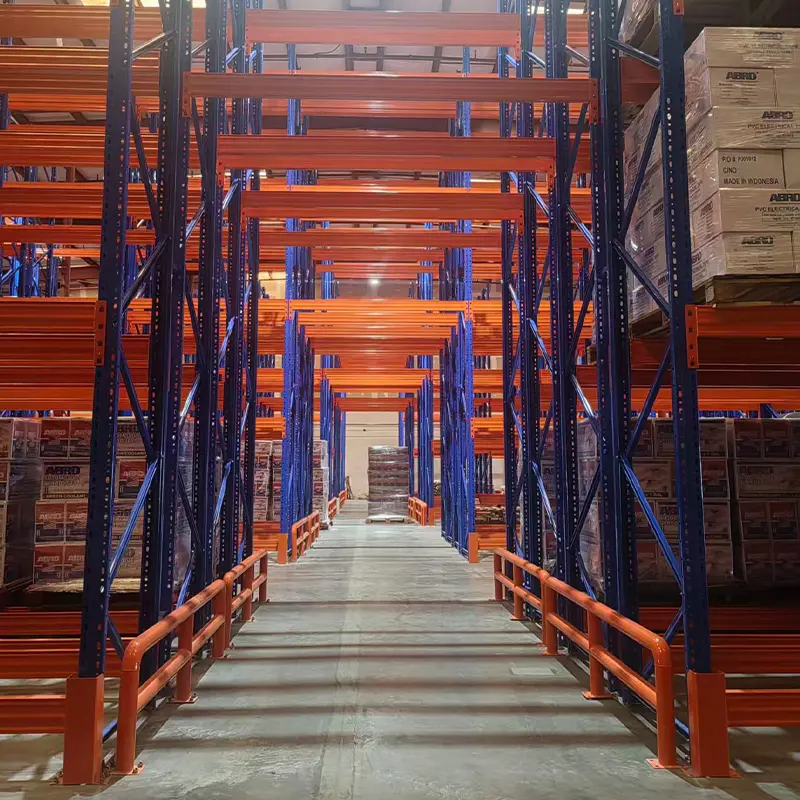
Custom OEM/ODM Scalability
Precision fabrication matching your exact pallet dimensions (including standard 48x40 GMA pallets), specific load ratings, and target powder coat colors.
Stack Rack Procurement: Frequently Asked Questions
Direct technical answers addressing structural certification, logistical packing, customs compliance, and long-term asset deployment.
What specific steel grade and certification standards are utilized in manufacturing?
Our stack rack structural bases and vertical posts are manufactured using prime certified Q235B and high-yield Q345B carbon structural steel, purchased exclusively from top-tier domestic steel mills with complete chemical analysis and mechanical Mill Test Certificates (MTC). All production follows rigorous ISO 9001:2015 quality management procedures and conforms to European CE Marking standards (EN 1090 / EN 15512 construction products directives) as well as American ANSI MH16.1 specifications upon customer structural request.
How are stack racks bundled and loaded for ocean container shipping?
Stack racks are designed to maximize ocean freight volume inside standard 40-foot High Cube (40HQ) containers. Bases are securely nested and strapped using heavy-duty steel strapping bands, fitted with corner edge protectors, and wrapped with waterproof PE stretch film. Removable posts or foldable side assemblies are strapped into bundled steel dunnage packs. This meticulous bundling protects powder coatings from abrasion during transport while enabling offloading with standard counterbalance forklifts via heavy bottom dunnage runners.
Can engineering drawings and load capacities be calculated in Imperial units (lbs/inches)?
Yes. Our in-house structural engineering team routinely provides full CAD floor plans, 3D structural perspective renderings, and certified load capacity tables expressed in imperial units (pounds, inches, feet, square foot loading) as well as standard metric units. This documentation is directly prepared to facilitate immediate review and stamp approval by your regional Professional Engineer (PE) or municipal building department.
What is the maximum stacking height and typical weight capacity per tier?
Standard heavy-duty stack racks are typically engineered to support static loads ranging from 1,000 kg (2,200 lbs) up to 2,500 kg (5,500 lbs) per individual rack frame. In stationary warehouse block storage, systems are typically designed to stack 4 to 6 units high under full operational load capacity, dependent on clear building height, forklift mast limitations, and local seismic zone criteria. Custom structural designs can be engineered for even heavier industrial capacities.
What anti-corrosion surface treatments are available for humid or cold-chain environments?
For standard dry indoor ambient warehousing, we apply a multi-stage automated electrostatic thermoset polyester powder coating cured at 200°C, offering durable chemical, impact, and chip resistance. For extreme conditions—such as blast freezers down to -30°C, commercial cold storage, open-air outdoor yards, or coastal marine environments—we provide full Hot-Dip Galvanization (HDG) in accordance with ISO 1461 / ASTM A123 standards, delivering decades of maintenance-free cathodic rust protection.
What is the average lead time from initial order confirmation to port dispatch?
For standard models or recurring OEM fleet programs, production lead times generally range between 15 and 25 calendar days following drawing sign-off and receipt of deposit. Highly tailored structural prototypes or large multi-container deployments (10 to 50+ containers) are scheduled according to phased milestone delivery plans, supported by our factory's monthly throughput of up to 30,000 metric tons.