High-Performance Bulk Storage & Heavy-Duty Racking Systems
Precision-engineered cold-rolled steel solutions designed for rigorous global warehouse compliance, high unit-load capacities, and optimized floor-to-ceiling volumetric density.
Strategic Engineering & Sourcing Intelligence: The Bulk Rack Infrastructure Paradigm
A rigorous examination of supply chain economics, steel cold-forming metallurgy, automated interface optimization, and international compliance criteria.
Modern global logistics is undergoing a fundamental structural transition. As land acquisition costs surge across primary distribution corridors and industrial lease rates reach historic highs, warehouse architects, third-party logistics (3PL) providers, and industrial procurement leaders can no longer view storage racks as static iron hardware. High-density bulk rack shelving and heavy-duty pallet racking systems serve as the critical kinetic load-bearing skeleton of the contemporary fulfillment facility.
Navigating the procurement matrix of Chinese bulk racking factories requires moving past superficial price-per-kilogram metrics. Engineering excellence is determined by chemical alloy composition, micro-structural grain boundaries during continuous roll-forming, stress redistribution across structural connectors, and automated electrostatic powder curing. When sourcing directly from Tier-1 Chinese manufacturers like HEDA Shelves, global enterprises unlock profound capital efficiencies while securing engineering rigor validated to international mechanical benchmarks including AS4084-2012, RMI MH16.1, and EN 15512.
Furthermore, the convergence of manual high-bay storage and automated material handling systems (AMHS) necessitates tight manufacturing tolerances. Variations of just 1.5 millimeters across an upright profile or deviations in punch pitch consistency can cause mechanical jams when autonomous reach trucks or radio shuttles traverse storage lanes at high cycle velocities. Evaluating a supplier's native production controls—from raw coil de-coiling and automated multi-stage column punching to robotic multi-axis welding—is the foundation of structural risk mitigation.
In this whitepaper, we dissect the shifting procurement parameters driving international supply chains, forecast engineering trends across seismic load dissipation, smart inventory integration, and automated carton flow dynamics, and detail the technical standards required to successfully execute factory-direct cross-border storage investments.
| Structural System | Primary Volumetric Target | Load Rating (Per Tier) | Throughput Velocity | Primary Material Grade |
|---|---|---|---|---|
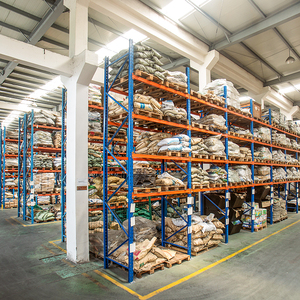
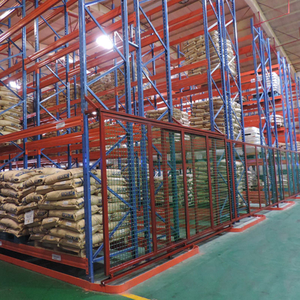
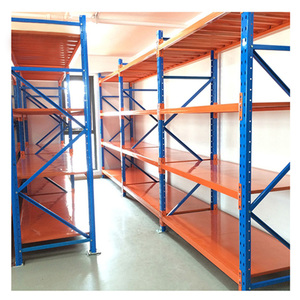
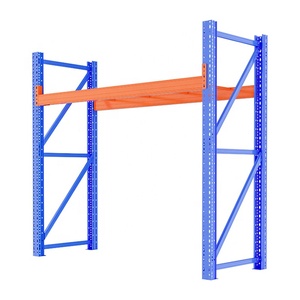
| Selective Pallet Racking | 100% Immediate Selectivity | 1,000 kg – 4,500 kg | High (Universal Forklift Access) | SS400 / Q235B Cold-Rolled Carbon |
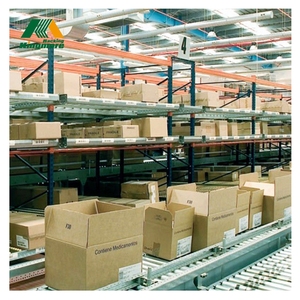
| Gravity Flow / Carton Flow | First-In, First-Out (FIFO) Rotation | 500 kg – 1,500 kg / roller | Continuous Gravity-Fed Flow | Galvanized Rollers + Q235B Rails |
| Very Narrow Aisle (VNA) | Maximum Cube Utilization (90%+) | 1,500 kg – 4,000 kg | High-Velocity Guide Rails / Wire | Q355B High-Yield Structural Steel |
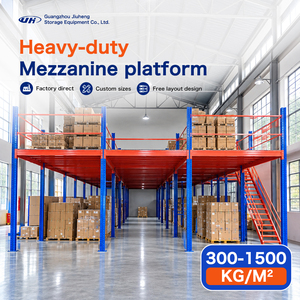
| Multi-Tier Mezzanine | Vertical Footprint Duplication | 300 kg – 1,000 kg / m² | Multi-Level Manual Picking | Hot-Rolled I-Beams & C-Sections |
Future Procurement Trends Transforming Bulk Racking (2025–2030)
Strategic shifts in industrial procurement methodologies, ESG governance, and automated warehouse synergy.
Direct-to-Manufacturer Sourcing
Global supply chain directors are systematically replacing intermediary brokers with vertically integrated OEM/ODM manufacturing partnerships. Direct engagement with Chinese manufacturing centers enables fully custom roll-formed profiles, reduces landed equipment costs by 28% to 42%, and shortens lead times via integrated in-house engineering and container packaging.
Non-Linear Seismic Structural Resilience
Seismic compliance under international building codes (IBC) and AS4084 requires comprehensive non-linear finite element analysis (FEA). Future-ready racking specifications focus on ductile base-plate configurations, high-strength cold-formed uprights, and engineered column row spacers designed to dampen dynamic ground acceleration and protect critical asset hubs.
Lifecycle Decarbonization & Green Steel
Procurement teams operating under strict Scope 3 decarbonization protocols are actively auditing the environmental footprint of heavy steel systems. Chinese manufacturing operations utilizing automated pickling lines with zero-waste water discharge, lead-free electrostatic powder coatings, and localized high-scrap-content electric arc furnace (EAF) coil sourcing hold a definitive market advantage.
Architectural Advancements in Modern Bulk Racking
Mechanical innovations driving structural longevity, adaptive load handling, and automation integration.
AMR & AGV Integrated Profiles
Traditional racking structures were sized solely around counterbalanced forklift clear-widths. Modern systems incorporate precision-tolerance floor interface guides, optical positioning targets, and reinforced bottom-tier upright leg protectors to ensure seamless autonomous mobile robot (AMR) and AGV navigation without operational disruption.
Cold-Chain Anti-Embrittlement Alloys
Operating down to -30°C requires precise metallurgical adjustments to prevent brittle structural fractures under impact. Our specialized cold-chain systems utilize modified low-carbon Q355D steel formulations, hot-dip galvanizing, or specialized sub-zero powder polymer coatings that resist condensation micro-pitting and stress cracking.
Intelligent Hybrid Mezzanine Architecture
The boundary between static pallet storage and active pick-modules has dissolved. Rack-supported mezzanine systems are engineered to integrate carton gravity flow lanes on the lower levels for high-velocity SKUs, while the elevated structural steel decks support high-density industrial shelving, sorting lines, or automated packaging equipment.
Frequently Asked Questions: Sourcing Bulk Rack Shelving from China
Objective technical answers covering engineering documentation, logistics, safety verification, and commercial terms.
Enterprise Advantages: Guangzhou Heda Shelves Co., Ltd.
Combining 25+ years of heavy manufacturing heritage with dedicated engineering oversight.
25+ Years Manufacturing Heritage
Established in 2001, HEDA Shelves has completed over 10,000 logistics installations worldwide. Our 323,000 sq ft facility houses continuous roll-forming lines, automated laser-guided punching stations, and dedicated multi-axis robotic welding cells capable of outputting 30,000 tons of racking steel monthly.
24-Hour CAD & Structural Design
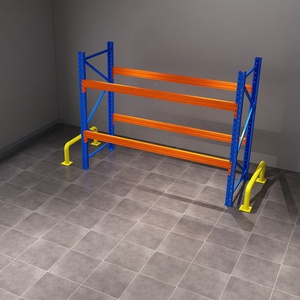
Our in-house design office turns architectural facility drawings into comprehensive 2D CAD engineering layouts and photorealistic 3D structural renderings within 24 hours. Every design detail—from clear aisle turning radii to column-base anchor configurations—is mapped directly to your facility specifications.
Independently Audited Quality
Our quality management infrastructure operates under ISO 9001:2015 certification (Cert. No. 18624Q00169R0M) alongside CE Construction Products Regulation (No. 2435-CPR-8605159), RoHS compliance, and Australian AS4084-2012 alignment, providing audited accountability across all components.
Transform Your Warehouse Storage Capacity Today
Submit your facility dimensions, unit-load specifications, and clear-height parameters to receive an engineer-verified CAD layout and itemized FOB/CIF quotation within 24 hours.