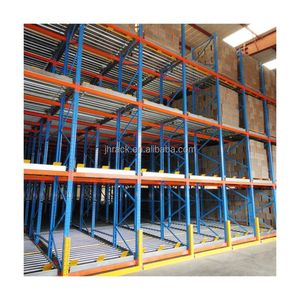
 Heavy-Duty FIFO
Jinhui Galvanized FIFO Warehouse Heavy Duty Pallet Racking
- Dynamic gravity flow structural channels
- Hot-dip galvanized anti-corrosion footing
- Concentrated slab load distribution
Explore our certified structural components engineered to disperse concentrated compressive point-loads safely across concrete slabs, complying strictly with EN 15512, RMI MH16.1, and CE construction product regulations.
Heavy-Duty FIFO
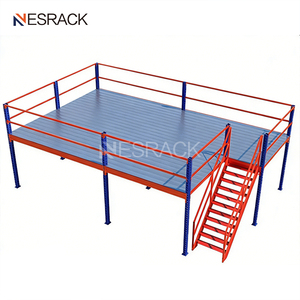 Multi-Floor Platform
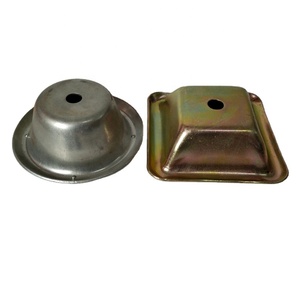 Stainless Steel
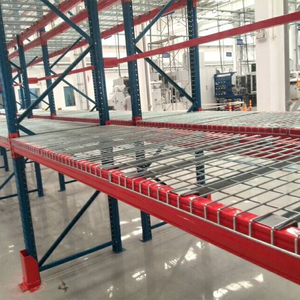 Selective Upright
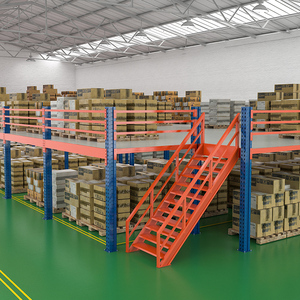 Adjustable Leveling
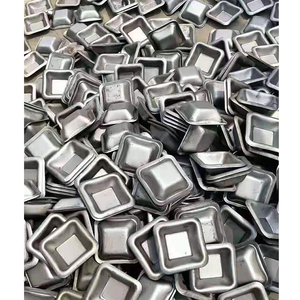 Stacking Stillage
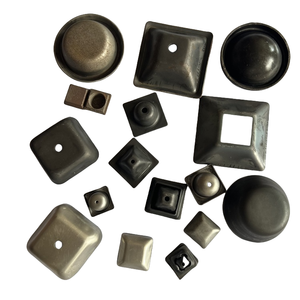 Round Footing
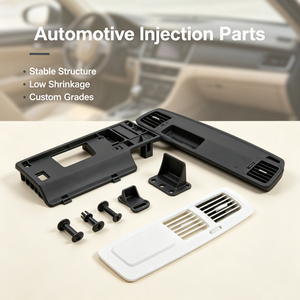 Polymer Hybrid
In high-density industrial storage, the base plate—commonly referred to in modern intralogistics as the pallet racking foot—serves as the critical interface between the racking superstructure and the concrete slab. Every ton of static material stored across selective, drive-in, or multi-tier mezzanine racks transfers downward through cold-formed upright profiles to terminate at this foundation node. Ensuring uniform pressure dispersion without exceeding slab punching shear thresholds demands rigorous metallurgical formulation, structural finite element modeling (FEM), and precise automated stamping execution.
From an engineering standpoint, an uncertified or under-specified footplate represents a catastrophic single-point vulnerability. Modern high-bay warehouses operate racking heights often surpassing 12 to 30 meters. Under static axial loading, combined with dynamic horizontal forces from seismic agitation or accidental forklift mast impact, the pallet racking footplate experiences high moment bending and shear pullout stresses. CE-certified feet manufactured in accordance with harmonized European standards (such as EN 1090-1 and EN 15512) and North American RMI MH16.1 specifications require documented minimum yield strengths, controlled elongation capabilities, and certified weld geometries that ensure structural continuity under peak eccentric loading.
Critical Structural Insight: In modern seismic-zone warehouse designs, base plates must act as energy-dissipating components. Rigid, brittle footplates risk catastrophic shearing around anchor bolts during ground acceleration. Our high-ductility Q235B and Q355B hot-rolled steels allow controlled micro-flexure without brittle fracture, maintaining column upright alignment and preventing total systemic collapse.
Material verification remains the foundational benchmark for certified suppliers. Low-grade structural sheet metals often harbor internal inclusions, micro-fissures, and irregular carbon concentrations that fail under cold bending or progressive punching stamping. Certified manufacturing begins with cold-formed structural steels that have undergone verified chemical and tensile analyses. Furthermore, modern base plates integrate precision-stamped anchor slots calculated precisely for wedge anchors, chemical epoxy studs, or screw anchor tolerances, ensuring full mechanical interlock with concrete grades ranging from C20/25 to high-strength C50/60 post-tensioned floors.
| Component Category | Material Grade | Standard Thickness | Primary Compliance | Engineering Application |
|---|---|---|---|---|
| Standard Heavy Footplate | Q235B / S235JR | 4.0mm – 6.0mm | EN 15512 / CE | Selective racking & drive-in ambient warehouses |
| Seismic Reinforced Base | Q355B / S355JR | 8.0mm – 12.0mm | RMI MH16.1 / Eurocode 3 | High-bay warehouses located in active seismic zones |
| Adjustable Screw Foot | Carbon Alloy 40Cr | Thread M20 – M36 | ISO 898-1 Class 8.8 | Uneven subfloors and robotic automation lines |
| Stillage Stacking Foot | Stainless 304 / Q235B | 3.0mm – 5.0mm | ISO 9001:2015 | Automotive post pallets & stackable bins |
| Polymer Damping Foot | Reinforced Virgin PP | Solid / Composite | RoHS / REACH | AGV transfer tracks and sanitary cleanrooms |
Corrosion mitigation constitutes another vital dimension of procurement planning. Standard indoor distribution facilities benefit from electrostatic polyester powder coating, pretreated through rigorous multi-stage acid pickling and iron phosphating to attain a dry film thickness exceeding 60 to 80 microns. Conversely, cold storage environments, high-humidity port facilities, and chemical facilities mandate continuous hot-dip galvanization conforming to ISO 1461, yielding zinc coatings exceeding 85 microns to defend against condensation, thermal cycling, and aggressive chemical mist.
As the international logistics landscape accelerates toward total automation, supply chain leaders are re-evaluating their racking component procurement strategies. Driven by the expansion of automated guided vehicles (AGVs), autonomous mobile robots (AMRs), and automated storage and retrieval systems (AS/RS), the demands placed on base plates and racking feet have evolved dramatically. Procurement teams are moving away from treating base hardware as simple commodities, recognizing that floor-level precision directly determines the efficiency of high-speed optical navigation systems and robot-rack interfaces.
A primary procurement trend is the demand for millimeter-accurate leveling integration. Traditional warehousing accepted nominal shimming to correct for standard industrial concrete floor deflections (such as FF/FL floor tolerance deviations). However, AS/RS micro-shuttles and high-reach turret trucks operating in narrow aisles (VNA) cannot tolerate plumb variances exceeding 1:1000. Consequently, structural engineering specifications increasingly mandate factory-integrated, threaded micro-leveling mechanisms within the foot assemblies. These systems allow field engineers to tune individual column heights with micrometer accuracy before anchoring, drastically reducing installation lead times while eliminating slab-grinding costs.
Simultaneously, Environmental, Social, and Governance (ESG) mandates are redefining procurement criteria across Europe and North America. Corporate buyers now actively track the carbon intensity of steel components. Certified manufacturers that utilize electric arc furnace (EAF) production methods, optimized coil slitting that minimizes stamping scrap, and closed-loop effluent management during chemical pre-treatment and powder application command strong procurement preference. Structural footprint traceability, reinforced by material test reports (MTR) according to EN 10204 3.1, is becoming a mandatory prerequisite for public and multinational warehouse tenders.
Finally, supply chain resilience is driving consolidation toward direct factory partnerships. By sourcing directly from large-scale manufacturers with established monthly production capacities (such as our 30,000-ton processing campus), buyers avoid intermediary markups, obtain verified mill test certificates, and secure customized punching patterns tailored precisely to proprietary roll-formed column profiles. Container-optimized bundle packing and pre-labeled component kits further ensure rapid container unloading and direct-to-bay distribution on site.
With more than twenty years of dedicated structural manufacturing, Guangzhou Heda Shelves Co., Ltd. provides dependable racking infrastructure backed by third-party testing, scalable output, and dedicated engineering consultation.
Operating continuously since 2001, our engineering team brings field-tested expertise from over 10,000 successfully commissioned industrial warehousing installations globally.
Our in-house design office delivers comprehensive AutoCAD layouts, FEM stress simulations, and itemized structural quotations within 24 hours of receiving warehouse blueprints.
Our operations adhere strictly to audited international quality systems, backed by CE Certificate No. 2435-CPR-8605159, ISO 9001:2015, and comprehensive RoHS compliance.
Spread across our 323,000 sq ft production campus, automated roll-forming, automated CNC laser slitting, and continuous powder-coating ensure swift turnaround for high-volume orders.
We manufacture custom base plates, seismic shims, and stillage feet to exact client drawings, supporting proprietary hole spacing, high-yield steel grades, and brand colors.
Packaging engineered specifically for 20ft and 40ft ocean containers prevents shipping abrasions and rust, serving major container hubs throughout North America, Europe, and Asia.
Clear engineering and commercial answers to simplify your technical evaluations and import decisions.
Whether you require standard CE-certified replacement footplates, seismic heavy-duty base brackets, or a complete high-density pallet racking solution, our engineering office is ready to evaluate your specifications.