0%

Choosing a storage system is not simply a matter of filling vertical space. Pallet Racking affects travel distance, picking speed, product protection, and daily safety. A warehouse may look organized, yet hidden problems can remain behind neat beams and upright frames. Poor aisle width, unsuitable load ratings, or weak floor conditions can create expensive delays. Sometimes, the obvious choice is wrong.

Dr. James A. Tompkins, a recognized supply-chain and warehousing expert, has said, “The warehouse is the heart of the supply chain.” That idea gives this topic practical weight. Every pallet movement begins with a decision about access, capacity, and control. The right Pallet Racking system should match the building, the products, the handling equipment, and the people using it. Measure twice.

This guide presents ten practical tips for making that decision with greater confidence. It considers selective racking, drive-in systems, push-back designs, pallet flow, and other common options. Each system has strengths, limits, and maintenance needs. A high-density layout may save floor space but reduce direct access. A narrow aisle design may improve capacity but require specialized equipment and trained operators.

Real warehouses are rarely perfect. Floors may slope slightly. Pallets may vary in size. Product demand can change without warning. These details matter. Careful planning, documented inspections, and advice from qualified professionals can prevent costly mistakes. The best solution is not always the largest system. It is the one that supports safe, reliable movement every day.
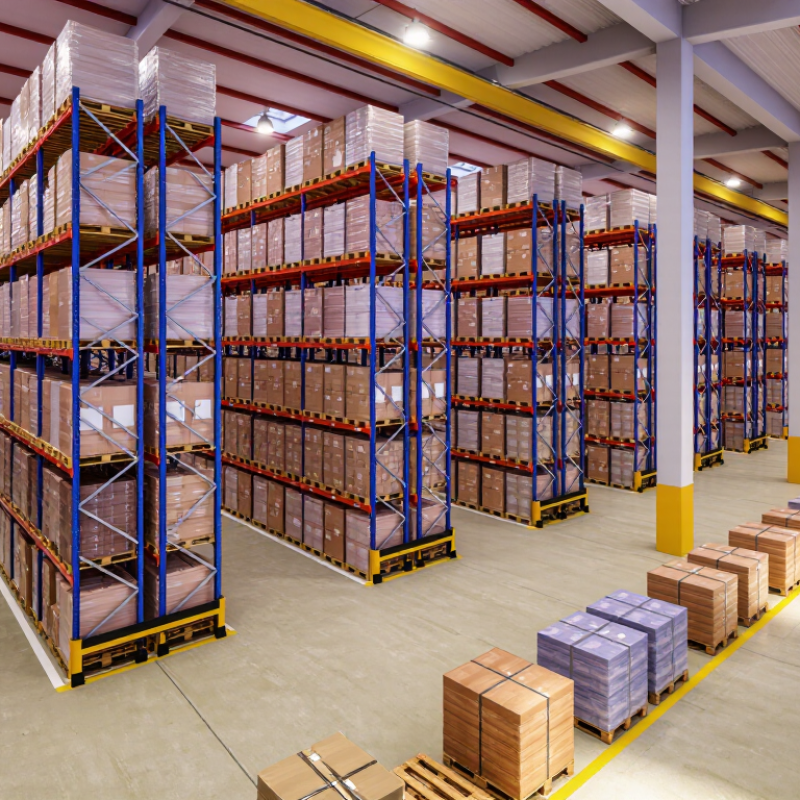
10 Pallet Racking Tips for Choosing the Right System

Define Warehouse Storage Needs and Operating Conditions

Choosing pallet racking starts with a precise picture of warehouse work. Record pallet dimensions, weights, quantities, and daily movement. A 1,000-kilogram pallet needs different beam capacity than a 400-kilogram load. Measure clear height, column spacing, door locations, and usable floor area. Note whether goods arrive wrapped, loose, fragile, or unevenly loaded. These details affect stability and handling speed. Storage density matters, but access may matter more. Fast-moving cartons usually need direct access. Slow-moving reserve stock can accept deeper storage. Ask operators where congestion appears during peak hours. Their practical experience often exposes flaws in office assumptions.

Operating conditions define the system’s safe working limits. Check forklift turning space, aisle width, floor flatness, lighting, and sprinkler clearance. Cold rooms, humidity, dust, and outdoor exposure require suitable materials and protection. Separate pedestrian routes from equipment paths wherever possible. Inspect existing slabs before adding concentrated loads. A strong-looking floor may still have hidden limits. Do not rely on average inventory figures alone. Seasonal peaks can fill every location and narrow travel lanes. Test the proposed layout with real pallet sizes and turning movements. A simple tape mock-up can reveal expensive errors. Ask a qualified storage professional to verify capacities and clearances. Plans are rarely perfect. Review them after two weeks of actual operation. That feedback may justify a different beam level, aisle, or loading rule.

Compare Pallet Racking Configurations and Access Requirements

Choosing pallet racking starts with access, not maximum storage density. In site assessments, I measure pallet dimensions, load weights, travel paths, and retrieval patterns. Selective racking offers direct access to every pallet, making it practical for many SKUs and frequent order changes. It needs wider aisles, however, and may store fewer pallets per square meter. Reach trucks can reduce aisle width, but their turning space still matters. Mark a trial bay on the floor before approving drawings. Small errors become expensive.

Drive-in racking increases density by removing internal aisles, yet access is limited to the front pallet. It suits stable inventories with few SKUs and LIFO movement. Double-deep storage improves density, but it requires compatible equipment and careful pallet sequencing. Push-back systems hold several pallets in one lane, while pallet-flow lanes support FIFO through inclined rails. These systems reduce travel, though replenishment rules must remain clear. A fast-moving beverage pallet and a fragile mixed carton need different handling logic. They should not share assumptions.

Check clear heights, beam levels, floor capacity, lighting, and pedestrian separation. Confirm that forklifts can enter, lift, reverse, and exit safely. I once saw a dense layout fail because the loading door could not accept the longest pallet. The drawing looked efficient. The operation was not. Review access during peak hours, not only during an empty-site walk-through. Leave space for damaged pallets, inspections, and maintenance. Ask operators to test proposed sequences with mock loads. Their objections often reveal what calculations miss.

10 Pallet Racking Tips for Choosing the Right System: Compare Pallet Racking Configurations and Access Requirements

Tip Racking Configuration Direct Pallet Access Typical Equipment or Access Requirement Best-Fit Operating Condition Main Advantages Important Limitations
1 Selective pallet racking Very high
Every pallet position is directly accessible.
Counterbalance or reach trucks; aisle width is commonly planned around the selected truck and pallet dimensions. Warehouses with many stock-keeping units and relatively low or moderate quantities per item. Excellent selectivity, simple stock rotation, easy inventory counting, and flexible beam-level adjustment. Uses more floor space for aisles than high-density systems and generally provides lower storage density.
2 Double-deep racking Medium
The rear pallet is accessed after the front pallet is moved.
Reach truck or equipment designed for double-deep pallet placement; requires compatible rack depth and load-center capacity. Operations storing several pallets of the same product where increased density is more important than immediate access. Higher pallet density than single-deep selective racking and fewer aisles per stored pallet. Reduced selectivity; stock rotation can be more difficult, and a suitable load-management method is required.
3 Drive-in racking Low
Access is usually from one side, using last-in, first-out flow.
Forklift travels inside rack lanes; pallets must be compatible with support rails and the rack’s entry geometry. Large quantities of similar products with low SKU variety and stable inventory turnover. High storage density because multiple aisles are replaced by storage lanes. Limited selectivity, slower pallet retrieval, greater risk of rack impact, and unsuitable for strict first-in, first-out rotation.
4 Drive-through racking Medium
Both ends of a lane are accessible.
Forklift operates through the rack tunnel; both ends must remain planned and protected for vehicle movement. High-volume products requiring better stock rotation than drive-in storage can provide. Supports first-in, first-out operation and offers high density for uniform pallet loads. Requires access aisles on both ends, which reduces some of the space savings; product variety remains limited.
5 Pallet flow racking Medium to high
Loading and picking occur from opposite sides.
Gravity rollers or wheels, loading equipment, lane controls, and dedicated replenishment and picking faces. Fast-moving, date-sensitive, or temperature-sensitive goods that require first-in, first-out rotation. Good stock rotation, reduced travel for order picking, and efficient use of a dedicated picking face. Higher installation and maintenance cost; pallets must be dimensionally and structurally suitable for the flow lanes.
6 Push-back racking Medium
Each lane is accessed from the aisle, but deeper pallets are not individually accessible.
Forklift places pallets on nested carts or inclined rails; lane depth and pallet weight must match the system design. Multiple pallets per SKU where last-in, first-out storage is acceptable. High density with fewer aisles and faster access than drive-in systems because handling takes place from one aisle. Generally follows last-in, first-out flow and may require controlled loading and unloading procedures.
7 Very-narrow-aisle racking High
Individual pallet positions remain accessible.
Specialized turret or articulated-aisle trucks, precise floor tolerances, guide systems, and effective impact protection. Facilities with high building height, high SKU variety, and a strong need to maximize cubic storage capacity. Combines high selectivity with narrow aisles and increased use of vertical warehouse space. Requires specialized equipment, operator training, careful floor planning, and limited flexibility for conventional trucks.
8 Mobile pallet racking High, but one active aisle at a time
Racks move to create an access aisle.
Motorized rack bases, floor rails, controls, safety interlocks, and a level floor designed for concentrated loads. Buildings with expensive floor area, moderate access frequency, and a need for high storage density. Can provide high storage density while retaining direct access to individual pallets when an aisle is opened. Higher capital cost, slower simultaneous access, and dependence on mechanical, electrical, and safety systems.
9 Automated storage and retrieval system High through controls
Storage and retrieval are managed by automated equipment.
Stacker cranes, shuttle vehicles, conveyors, warehouse-control software, barcode or RFID identification, and backup procedures. High-throughput operations with predictable pallet loads, extended operating hours, and consistent data requirements. High space utilization, repeatable movements, reduced manual travel, and improved inventory transaction accuracy. High investment and integration requirements; system downtime, pallet variability, and software dependencies must be managed.
10 Mixed configuration by zone Varies by zone
Access is matched to each product group and handling process.
May combine selective, flow, push-back, floor staging, and automated areas; requires clear location rules and traffic planning. Warehouses with different SKU velocities, pallet quantities, rotation requirements, and order profiles. Balances selectivity, density, throughput, and product rotation instead of forcing one system across the entire facility. More complex layout, training, slotting, signage, replenishment rules, and inventory management.
Planning note: Aisle dimensions, rack height, load capacity, clearances, and truck requirements must be confirmed using the actual pallet dimensions, load weights, handling equipment specifications, building conditions, and applicable local safety regulations.

Evaluate Load Capacity, Dimensions, and Safety Standards

10 Pallet Racking Tips for Choosing the Right System

Load capacity should be measured, not guessed. Record the weight of each pallet, including uneven or shifting goods. Check both beam capacity and upright frame capacity. A rack may support heavy pallets but fail under poor load distribution. Leave a safety margin for damaged pallets, future stock changes, and occasional handling mistakes. Small errors can become expensive.

Measure the building carefully before selecting a system. Note ceiling height, floor condition, column spacing, door locations, and sprinkler clearance. Aisle width must suit the forklift and its turning radius. Do not rely on a simple floor plan. On-site measurements often reveal pipes, lights, or sloping floors that drawings miss. I have found this step easy to rush, and that is a mistake.

Safety requirements should guide every design decision. Confirm that the system meets applicable local standards and workplace rules. Use suitable anchors, guards, load signs, and locking devices where required. Keep damaged frames out of service until a competent person inspects them. Schedule regular checks for bent uprights, loose connections, and overloaded beams. Documentation matters too. Keep installation records, inspection dates, and updated load ratings near the rack area. Yet even a compliant system can become unsafe when workers ignore clearances or place unstable loads.

10 Pallet Racking Tips for Choosing the Right System

Evaluate load capacity, dimensions, handling equipment, clearances, and safety requirements before selecting a pallet racking system.

Common nominal pallet footprints shown in millimetres. Confirm actual pallet tolerances and local requirements before final rack design.

  1. Calculate the maximum unit load, including the pallet and packaging.
  2. Check beam capacity at the required load per level and bay.
  3. Match beam length and depth to the pallet footprint and overhang limits.
  4. Measure ceiling height, sprinkler clearance, lighting, and building obstructions.
  5. Select aisle widths that suit the forklift type and turning radius.
  6. Allow safe clearances between pallets, uprights, walls, and other equipment.
  7. Confirm floor slab capacity, flatness, and anchoring requirements.
  8. Use compatible pallet quality, condition, and bottom-support requirements.
  9. Install frame protection and inspect damaged components before reuse.
  10. Apply visible load notices and follow applicable local rack safety standards.

Assess Space Efficiency, Workflow, and Future Expansion

10 Pallet Racking Tips for Choosing the Right System

Assess the building before selecting a rack layout. Measure clear height, column spacing, door positions, floor levelness, and sprinkler clearance.

Tip one: map every obstruction. Tip two: record pallet dimensions and weights, including damaged or uneven loads. Tip three: calculate usable cubic space, not just floor area.

A narrow aisle may increase storage density, but it can slow turning movements and create costly bottlenecks. Watch the workflow.

Place fast-moving pallets near receiving and dispatch areas. Keep picking routes short and separate pedestrian movement from equipment traffic where practical.

Tip four: observe a full shift before fixing aisle widths. Tip five: compare travel time, replenishment frequency, and access requirements.

I once favored maximum capacity over smooth picking. That decision looked efficient on paper and performed poorly during peak hours. Real operations can be less tidy than drawings.

Plan for change. Tip six: reserve space for seasonal inventory. Tip seven: check whether beams and frames can support expected future loads.

Tip eight: choose adjustable components where product sizes may change. Tip nine: confirm installation tolerances with a qualified storage-system professional.

Tip ten: schedule inspections after impacts, relocations, or layout changes. Leave expansion space.

A system filled to its limit may seem successful, yet it can prevent safer growth.

Review the design with operators, maintenance staff, and fire-safety specialists before approval. Capture their objections in writing; small concerns often reveal major workflow problems.

Select Suppliers, Installation Services, and Maintenance Support

Choosing a pallet racking system involves more than comparing steel prices. The supplier must understand load weights, pallet dimensions, forklift paths, and floor conditions. During site reviews, I check whether drawings match the warehouse’s real traffic patterns. Small mismatches can create expensive safety problems.

Tip 1: Ask for documented engineering calculations and relevant installation experience. The Rack Manufacturers Institute’s ANSI MH16.1 standard provides design guidance for steel storage racks. Confirm that the supplier follows applicable local requirements. MHI’s 2024 Annual Industry Report found that 91% of supply chain leaders expect increased technology investment. Your supplier should therefore support future automation, not only today’s layout.

Tip 2: Treat installation as a controlled project. Require anchor checks, torque records, upright protection, and a handover inspection.

Tip 3: Agree on maintenance response times before signing. OSHA recommends regular workplace inspections, while the RMI advises immediate action when rack damage appears. A bent frame is not a cosmetic issue. Isolate it until a qualified person assesses it. Maintenance logs should record damage, repairs, inspections, and changing load limits. Digital records help, but paper checks still work when devices fail. I have seen teams trust a perfect installation too much. Forklift impacts, uneven floors, and rushed alterations eventually expose that weakness. Choose a supplier willing to review the system after real operations begin.

FAQS

What information should be collected before choosing pallet racking?

Record pallet sizes, weights, quantities, and daily movement. Include uneven or shifting loads. Note wrapping, fragility, and handling conditions. Small details matter.

How does pallet weight affect rack selection?

A 1,000-kilogram pallet needs stronger beams than a 400-kilogram pallet. Check beam and upright frame capacities separately. Leave room for future changes and handling mistakes. Do not guess.

What building measurements are important?

Measure ceiling height, floor area, column spacing, doors, lighting, pipes, and sprinkler clearance. Check the floor for slopes or hidden limits. Drawings can miss awkward obstacles.

How should aisle width be determined?

Match aisle width to the forklift and its turning radius. Test real pallet movements before installation. A tape mock-up can reveal blocked turns. It is simple, but useful.

Should storage density or product access receive more attention?

Fast-moving cartons usually need direct access. Slow-moving reserve stock may use deeper storage. High density is not always efficient. Congestion can waste more space than wider aisles.

What safety features may pallet racking require?

Use suitable anchors, guards, locking devices, and visible load signs. Keep pedestrian routes separate from equipment paths. Damaged frames must leave service until inspection. Safety depends on behavior, too.

How often should pallet racking be inspected?

Check for bent uprights, loose connections, overloaded beams, and damaged pallets regularly. Keep inspection dates and load ratings near the rack area. Review the system after two weeks of operation.

What operating conditions can change the rack design?

Cold rooms, humidity, dust, and outdoor exposure may require suitable materials and protection. Seasonal peaks can narrow travel lanes. Plans are rarely perfect. Reconsider beam levels, aisles, and loading rules after real use.

Conclusion

Choosing the right Pallet Racking system starts with a clear understanding of your warehouse storage needs and operating conditions. Consider the types, sizes, and weights of goods, inventory turnover, available floor space, equipment access, and environmental factors. Compare different racking configurations according to accessibility, storage density, picking frequency, and workflow requirements. Each option should support efficient operations while allowing workers and handling equipment to move safely.

Before making a decision, verify load capacity, rack dimensions, structural stability, and applicable safety standards. Assess how the system will affect space utilization, daily productivity, and future expansion plans. A flexible design can accommodate changing inventory levels and business growth more effectively. Finally, evaluate suppliers based on product quality, installation expertise, inspection procedures, replacement parts, and ongoing maintenance support. A reliable supplier should provide clear technical information and practical guidance, helping ensure that the selected system remains safe, efficient, and suitable for long-term warehouse operations.

Elowen

Elowen

Elowen is a dedicated marketing professional who combines strategic insight, industry knowledge, and a strong understanding of customer needs to communicate the value of our company’s products and services. With a practical, research-driven approach, Elowen regularly contributes professional blog......